

Have you ever dreamed of visiting the pristine glaciers of Patagonia or snorkeling in the vibrant Great Barrier Reef? These breathtaking wonders are changing faster than we think, and as travelers, we cannot afford to look away. Also read: Traveling in 2026: Why Everything You Knew About Booking Has Changed.
Educating ourselves on the realities of climate change isn't just about being a good global citizen. It is about preserving the very soul of travel for future generations.
How Climate Change is Reshaping Our Destinations
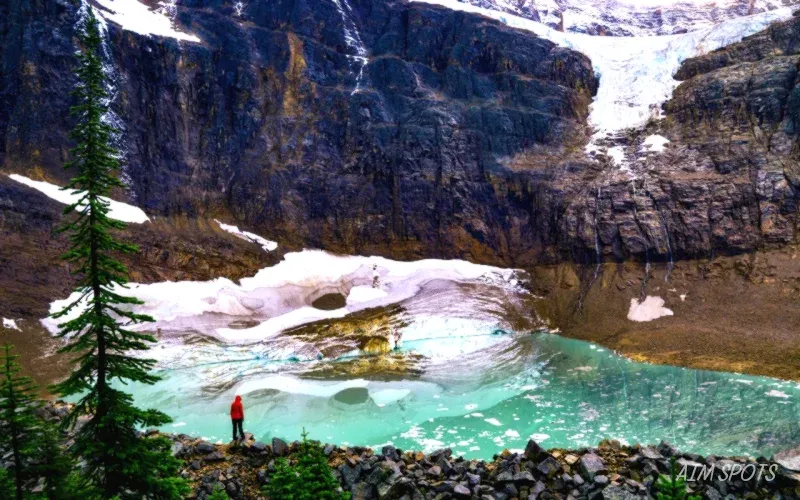
Rising sea levels, unpredictable weather patterns, and warming oceans are transforming iconic landscapes. Popular spots are facing unprecedented ecological stress, changing how and when we can visit them.
According to NASA's Climate Change Resources, global temperatures continue to rise at an alarming rate. This shift directly affects local communities, wildlife habitats, and the stability of seasonal travel.
Why Traveler Education is No Longer Optional
When we travel without understanding local environmental challenges, we risk doing more harm than good. Resources like fresh water and electricity are often scarce in areas hit hardest by climate shifts.
By educating yourself, you learn to minimize your ecological footprint and respect local carrying capacities. It helps you make informed choices that actively support conservation efforts instead of straining local infrastructure.
How to Become a Climate-Conscious Explorer
Becoming a responsible traveler does not mean you have to stop exploring the world. It simply means traveling with intention, respect, and a desire to protect what you see.
Here are a few actionable ways you can start making a difference on your next journey:
- Offset Your Carbon Footprint: Choose direct flights when possible and invest in verified gold-standard carbon offset programs.
- Support Eco-Certified Operators: Look for accommodations and tour guides that prioritize renewable energy, waste reduction, and local hiring.
- Travel Off-Peak: Visiting destinations during the shoulder season helps reduce the intense pressure of overtourism on fragile ecosystems.

The Power of Your Travel Dollar
Where you spend your money matters more than you think. By directing your travel funds toward sustainable businesses, you incentivize green practices globally.
Organizations like National Geographic frequently highlight how community-based tourism helps fund vital conservation projects. Your trip can actually become a tool for habitat restoration and local empowerment.
Frequently Asked Questions
How does travel contribute to climate change?
Travel contributes to climate change primarily through greenhouse gas emissions from transportation, especially aviation. It also impacts local environments through resource consumption, waste generation, and habitat disruption in fragile ecosystems.
What is the best way for a traveler to offset carbon emissions?
The best way is to use certified carbon offset programs that invest in renewable energy, reforestation, or community projects. Always look for third-party certifications like Gold Standard or Verified Carbon Standard to ensure your contribution makes a real impact.
Can sustainable tourism really make a difference?
Yes, absolutely. When travelers demand sustainable practices, hotels, airlines, and local operators are forced to adapt, leading to systemic changes that protect natural habitats and support local economies.
Enjoyed Why You Must Understand Climate Change Before Your Next Trip? Why not explore our other posts, such as Why Booking with Local Sherpa Agencies Saves Mountain Culture, The Missing Plastic Mystery: Where is Ocean Waste Hiding?, and The Honest Truth About Caye Caulker: Paradise or Tourist Trap?.
Comments (0)