

The New Era of the 'Wait-and-See' Traveler
The world is spinning a little faster these days, and it's making our vacation plans a lot less predictable. If you used to map out your European summer a year in advance, those days are officially behind us.
By 2026, travelers have shifted toward a last-minute approach, often holding off on clicking the 'book' button until just weeks or even days before departure. This isn't just procrastination; it is a calculated move to hedge bets against a volatile global landscape.
According to experts at Forbes, this compressed timeline is a direct response to a travel infrastructure that no longer has a safety net. People want to be absolutely sure their jobs are secure and their destinations are stable before committing their hard-earned cash.
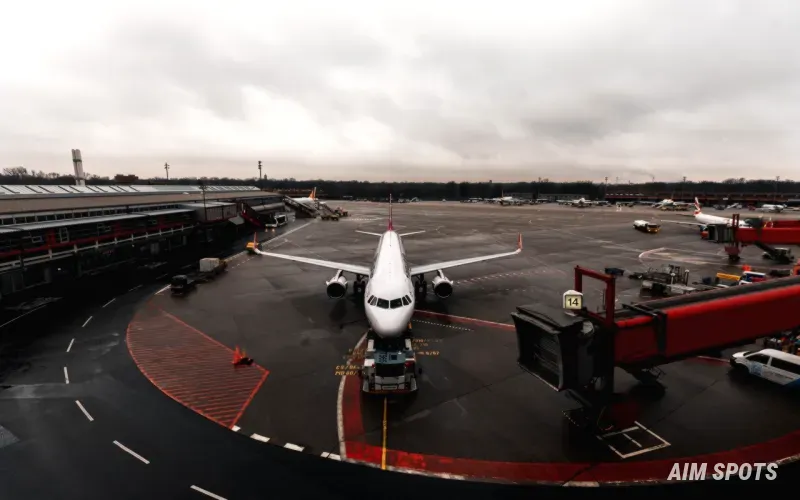
The Fragile 'Just-in-Time' Travel System
Why does a single thunderstorm in one city now cause a week-long headache for travelers thousands of miles away? The answer lies in corporate efficiency and 'just-in-time' logistics.
Airlines and tour operators have optimized their systems so tightly that there is no longer any room for error. The backup planes and spare crews that used to save the day have largely been phased out to cut costs.
- Disruptions are no longer mere annoyances; they are often trip-ending events.
- Flight inventory remains available, but prices skyrocket as the departure date nears.
- Domestic road trips now carry higher risks due to strict, non-refundable hotel policies.
Protecting Your 2026 Investment
Because of this fragility, the way we look at travel insurance is evolving. It is moving away from static, one-size-fits-all policies toward a modular 'platform' approach where you build the coverage you actually need.
Interestingly, the fear of losing a deposit has been overtaken by the fear of getting sick or stranded. Medical evacuation costs have surged, with some emergency flights from the Caribbean now costing upwards of $30,000.
The Environmental Tipping Points We Can't Ignore
While we navigate booking windows, the planet is hitting its own critical thresholds. Scientists have identified several climate tipping points that are no longer distant theories but active realities in 2026.
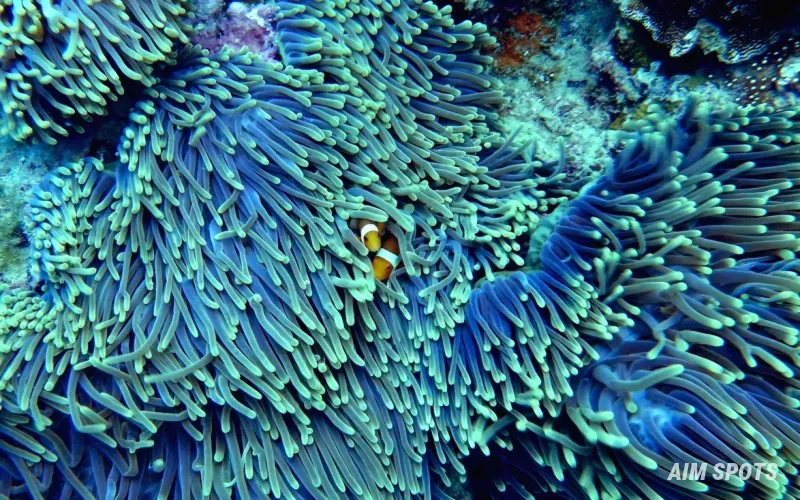
Our coral reefs, which support a quarter of all marine life, are in a state of permanent decline after record-breaking bleaching events. Once these systems flip, reversing the damage becomes nearly impossible, even if we stop the initial cause.
The Domino Effect of Nature
The real concern for scientists is how these systems are interconnected. For example, melting ice in Greenland isn't just raising sea levels; it's weakening the Atlantic currents that regulate weather in Europe.
- The AMOC Current: If this 'conveyor belt' collapses, Europe could see winters that are 7°C colder.
- Permafrost Thaw: Arctic ground is releasing methane, a gas 28 times more powerful than CO2 at trapping heat.
- Amazon Stress: Parts of the rainforest are now releasing more carbon than they absorb, heading toward a savanna-like state.
Looking Forward: The GIANT Project
There is a silver lining in the form of high-tech intervention. An international team of scientists is currently working on the GIANT project in Greenland to build an 'Early Warning System' for glacier change.
By using autonomous robots and drones, they hope to predict sudden ice losses before they happen. This data will give governments and the travel industry the lead time they need to adapt to an ever-changing world.
Adapting to this new volatility, rather than wishing for the old days to return, is the smartest way to keep exploring. Stay flexible, verify your coverage, and keep an eye on the horizon.
Enjoyed Traveling in 2026: Why Everything You Knew About Booking Has Changed? Why not explore our other posts, such as The Honest Truth About Caye Caulker: Paradise or Tourist Trap?, How to Travel Consciously in the Age of Climate Change, and How Nature Sustainability Teaches Us to Love and Protect Our Planet.
Comments (1)
This post is a great example of how to educate an audience.