

The Ultimate High-Altitude Debate: Can Pilots See the Curve?
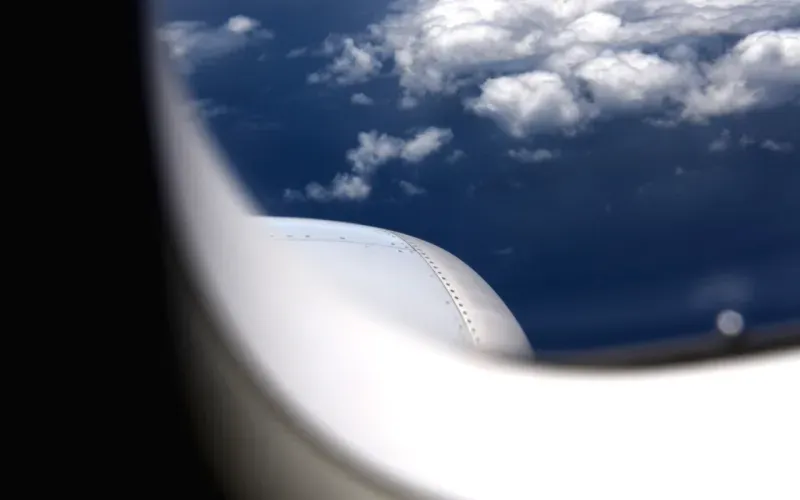
Have you ever stared out of an airplane window and wondered if the horizon looked just a little bit bent? It is a question that has sparked countless debates online, from aviation forums to late-night social media rabbit holes.
Many passengers swear they can see the curve of the Earth during a long-haul flight. But what is the actual truth from the perspective of the flight deck?
The Science of Seeing the Horizon
To understand what pilots actually see, we have to look at the basic geometry of our planet. The Earth is incredibly massive, meaning its curve is exceptionally gradual from our ground-level perspective.
According to visual science studies often cited on Wikipedia, the curvature of the Earth only starts to become slightly noticeable to the human eye at about 35,000 feet.
However, there is a catch. To perceive this curve clearly, you need a wide, unobstructed field of view of at least 60 degrees, which is rarely possible through standard passenger windows.
What Do Pilots See from the Cockpit?
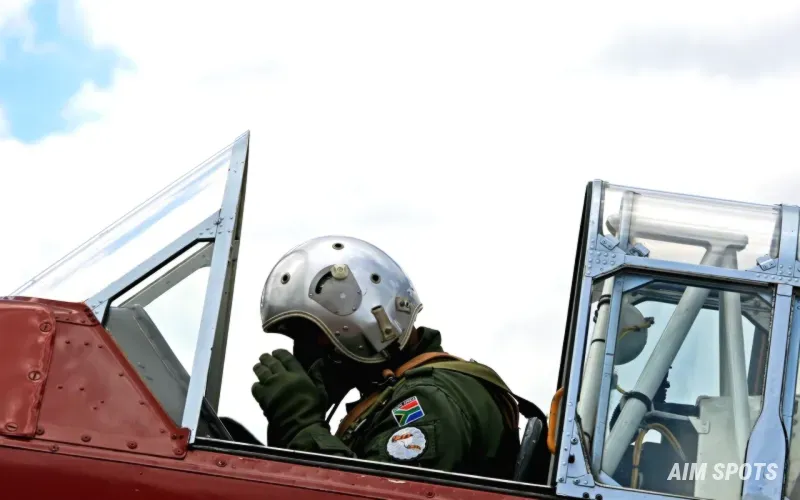
While pilots have a much wider field of view than passengers, most commercial jets cruise between 30,000 and 40,000 feet. At these altitudes, the curvature is still incredibly subtle.
Many experienced pilots report that the horizon looks virtually flat during standard flights. The straight lines of the cockpit glare shield can also create an optical illusion that makes the horizon appear flatter than it is.
The Magic Altitude: Where the Curve Becomes Real
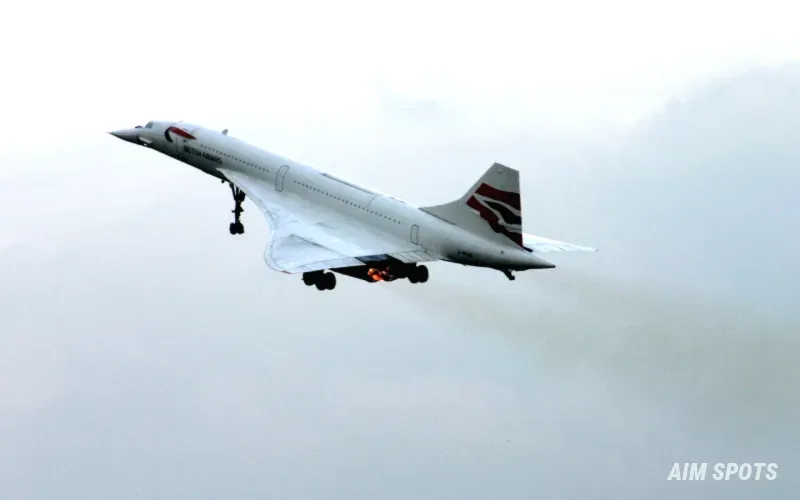
If you want a truly dramatic view of the Earth's curve, you need to go much higher. Legendary aircraft like the Concorde used to fly at a breathtaking 60,000 feet.
At 60,000 feet and above, the curve of the Earth and the dark edge of space become transitions of beauty. Many astronauts at NASA describe this boundary as a thin, fragile blue line that separates our atmosphere from the void.
Military pilots flying spy planes like the U-2 or passengers on future commercial space flights get the absolute best views of our round planet.
Optical Illusions in the Sky
- Cockpit Window Distortion: Curved glass in cockpit windows can sometimes bend light, making the horizon look curved when it is not.
- Weather and Haze: Atmospheric dust and clouds often obscure the sharp line of the horizon, hiding the true curve.
- The Glare Shield Effect: The straight horizontal frame of the cockpit window often tricks the brain into seeing a perfectly flat horizon.
Enjoyed Can Pilots See the Curvature of the Earth? The Real Truth? Why not explore our other posts, such as Mastering MyIDTravel: The Ultimate Guide to Standby Travel, How to Uncover Star Alliance News and Hidden Travel Deals, and Virgin Atlantic’s Heathrow Clubhouse Refresh: Luxury Reimagined.
Comments (0)