

The future of air travel: What to expect in 2026 and beyond
Air travel is undergoing a massive transformation, moving away from cramped spaces and toward more integrated, higher-quality experiences. Airlines are finally listening to what passengers really want: comfort, privacy, and a little science to combat that pesky jet lag.
From United's modern cabin transformation to Qantas' cutting-edge lighting, the sky is about to change. Let's take a look at these innovations that are reshaping the world of clouds.
United Airlines is pioneering 'elevated' cabins
United is currently undergoing a major overhaul of its fleet to stay competitive in the global marketplace. The centerpiece of the initiative is its new "elevated" Boeing 787-9 Dreamliner, which features the long-awaited Polaris Studio Suite.
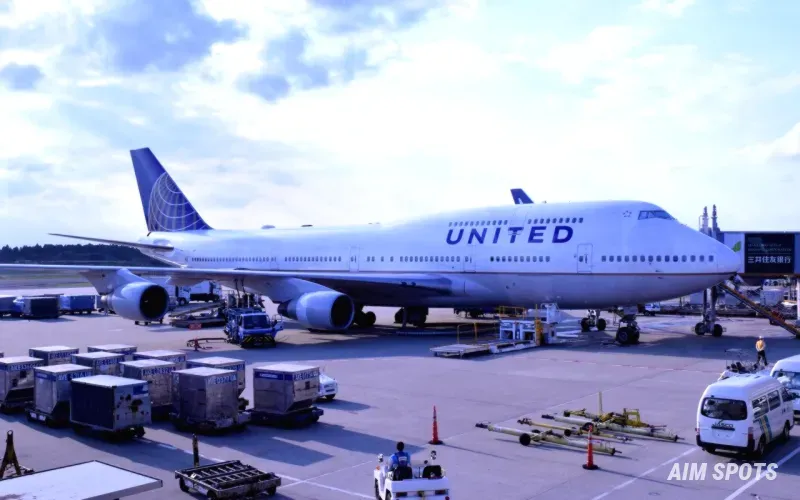
These upgrades aren't just for Business Class; the newly redesigned Premium Plus and Economy cabins are also part of the package. You'll be able to enjoy these new interiors on long-haul routes like San Francisco to Singapore starting this April.
Premium Economy has undergone a remarkable transformation
By 2026, a major shift is coming to the tier between coach and business class. We are seeing a shift towards 'Premium Economy 2.0', which is focusing on more than just extra legroom.
- Improved seat support for stability on long journeys.
- Dedicated space for storing personal devices and bags.
- Advanced connectivity and large entertainment screens.
Luxury in a Small Space: The A321XLR Revolution
Gone are the days when a bed was reserved only for jumbo jets. LATAM Airlines is set to become the first South American airline to offer a full bed-like suite on a single-aisle aircraft.
From 2027, their Airbus A321XLR fleet will feature 12 private suites with direct aisle access. According to Forbes , demand for premium experiences on narrow-body planes is skyrocketing as airlines launch longer direct routes.
Tackling jet lag through science and inclusion
Qantas is taking a scientific approach to comfort on its new Airbus A350-1000ULR. They've introduced a 'circadian-friendly' lighting system, which helps your body adapt to a new time zone more quickly.
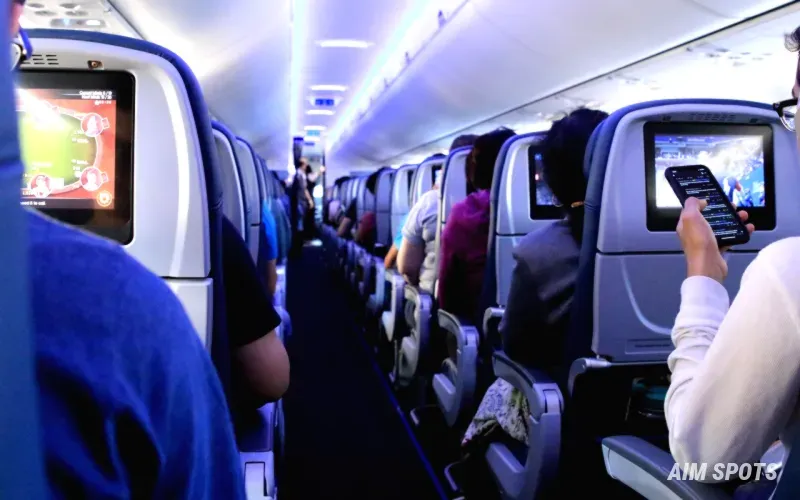
With 12 different lighting settings, including 'sunrise' and 'sunset', travelers can reduce the drowsiness that typically occurs after a 20-hour flight. Beyond biology, the industry is now also focusing on neurological diversity.
Around 15% of the population identifies as neurodivers, and new cabin designs are being developed to be more inclusive. This means improved acoustics and more intuitive layouts to reduce travel anxiety for everyone.
Enjoyed 2026 Airline Fleet Secrets: How Premium Travel is Changing Forever? Why not explore our other posts, such as Why MyIDTravel is the Ultimate Airline Employee Perk, How to Uncover Star Alliance News and Hidden Travel Deals, and Add Special Services on American Airlines Manage My Booking.
Comments (0)