

The Great Plastic Tide: What We See vs. Reality
Every single year, humanity produces a staggering 350 million tonnes of plastic waste. We have all seen the heartbreaking photos of trash washing up on once-pristine beaches, but have you ever wondered how much of that waste actually reaches the deep blue sea?
Surprisingly, research shows that only about 0.5% of the world's plastic waste ends up in our oceans. While that sounds like a tiny percentage, it still translates to over one million tonnes of destructive pollution entering marine habitats annually.
So, where does the rest of the garbage go? According to data from the OECD, nearly a quarter of global plastic waste is completely mismanaged or littered, leaving it to choke our rivers, soils, and coastlines before it ever has a chance to float away.
Solving the "Missing Plastic" Puzzle
For years, marine scientists faced a perplexing riddle often called the "missing plastic problem." While millions of tonnes of plastic have entered the oceans over the decades, only a tiny fraction is found floating on the open ocean surface.
Where is this invisible mountain of trash hiding? Incredible new studies suggest that the vast majority of ocean plastic never actually makes it out to the open sea.
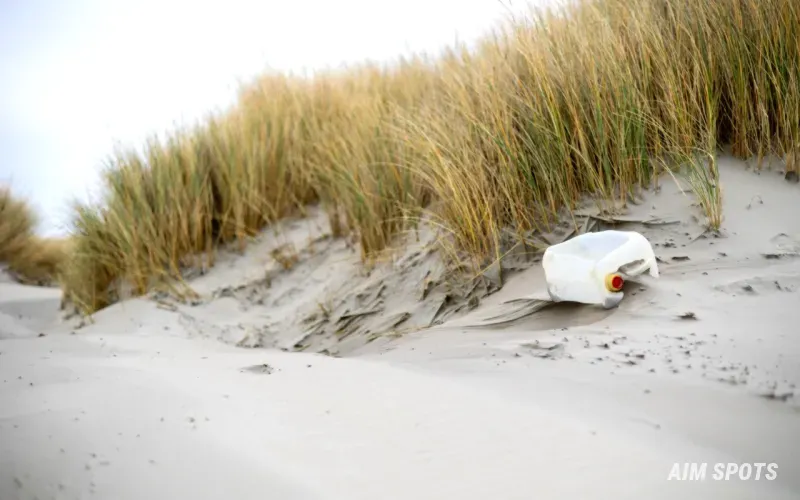
Instead, about 1.5 million of the 1.7 million tonnes entering the marine environment remains trapped right along our shorelines. The rest either breaks down into microscopic particles or sinks directly to the dark ocean floor, altering fragile underwater ecosystems.
A Toxic Sponge in Our Waters
Floating plastic does far more than just look ugly. Because of its chemical structure, plastic acts like an environmental sponge, absorbing dangerous industrial chemicals like PCBs and DDT from the surrounding seawater.
These toxins can concentrate on the surface of tiny plastic pellets at levels up to a million times higher than normal. When fish, seabirds, and marine mammals mistake these toxic bits for food, they ingest a lethal chemical cocktail.
Furthermore, scientists have discovered that plastics decompose much faster in warm ocean waters than previously believed. As they break down, they release harmful hormone-disrupting chemicals like Bisphenol A (BPA) directly into our food chain.
Turning the Tide: Real Solutions for Our Oceans
While the scale of this crisis feels overwhelming, the power to change the future lies in our hands. Since eighty percent of ocean pollution starts on land, fixing our waste management systems is the absolute highest priority.
Many forward-thinking countries have already taken massive leaps. From China banning ultra-thin plastic bags to Ireland placing a successful tax on single-use packaging, legislative action is proving highly effective.
We are also seeing incredible breakthroughs in green chemistry, including new marine-degradable plastics and plastic-eating microbes. Ultimately, though, the easiest change starts with us refusing single-use plastics in our daily lives.
Frequently Asked Questions
What is the "missing plastic problem" in our oceans?
It refers to the discrepancy between the millions of tons of plastic entering the oceans and the much smaller amount observed floating on the open sea surface. Most of this plastic actually remains trapped near shorelines, breaks down into microplastics, or sinks to the deep seabed.
How does plastic act as a "toxic sponge" in marine environments?
Floating plastic debris has an oily chemical structure that attracts and absorbs dangerous waterborne pollutants like PCBs and DDT. These toxins concentrate on the plastic surface at levels up to one million times higher than in the surrounding water, entering the marine food chain when ingested.
What are the most effective ways to stop plastic pollution?
The most effective strategies start on land, where eighty percent of marine plastic originates. This includes practicing the four Rs—reduce, reuse, recycle, and refuse—implementing strict legislative bans on single-use plastics, and developing biodegradable green chemistry alternatives.
Enjoyed The Missing Plastic Mystery: Where is Ocean Waste Hiding?? Why not explore our other posts, such as Why We Must Adapt Our Travel Habits to Save the Planet, Why Sustainable Tourism Destinations Will Change Your Life Forever, and The Honest Truth About Caye Caulker: Paradise or Tourist Trap?.
Comments (0)