

Have you ever visited a world-famous destination and realized you just didn't love it? It is a common dilemma for travelers who want to keep things real instead of faking enthusiasm. Also read: Global Travel Leaders Gather in Egypt to Shape the Future of Tourism. Also read: Traveling in 2026: Why Everything You Knew About Booking Has Changed.
Today, we are diving deep into Caye Caulker, a popular island in Belize. While many praise its slow-paced vibe, there is a complex reality behind the tourism curtain.
First Impressions: The Aggressive Tourist Push
The moment you step off the express boat from Belize City, the sales pitches begin. Hostel representatives and tour operators crowd the docks, eager to grab your attention.
It can feel a bit overwhelming, making you feel like a walking dollar sign rather than a welcomed guest. However, once you navigate past the initial crowd, the island's unique charm starts to show.
The Famous Barefoot Vibe at The Split
One of the most unique aspects of Caye Caulker is its "Go Slow" motto. The island is made entirely of coral reef, meaning you won't find traditional sandy beaches here.
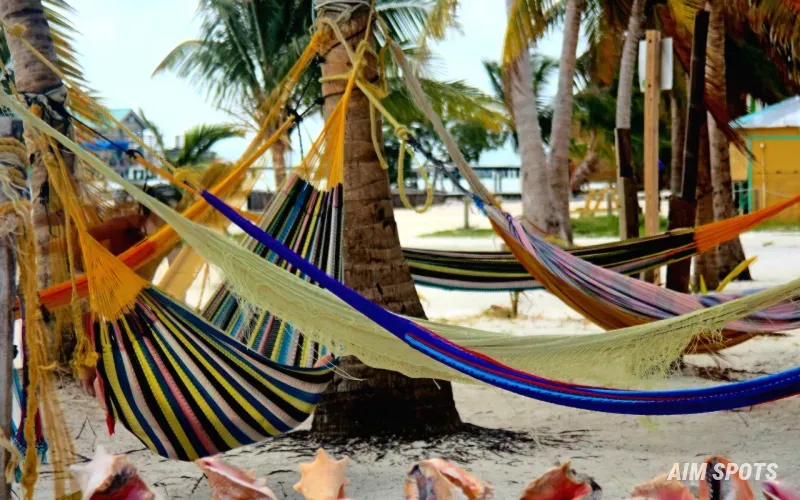
Instead, everyone gathers at a popular spot known as "The Split" to swim, sunbathe, and enjoy cold drinks. It is incredibly easy to kick off your shoes and go completely barefoot for your entire stay.
The Contrast of Local Life
If you wander just a few blocks away from the main tourist strip, you will see a completely different side of the island. The bright, cheerful hotels quickly give way to modest local residences, some of which are barely livable.
This stark contrast is a powerful reminder of the wealth disparity in popular holiday spots. It highlights why supporting the local economy directly is so crucial for sustainable tourism.
Snorkeling at Shark and Ray Alley: Is It Ethical?
Many travelers visit the island specifically to swim with nurse sharks and stingrays. While gliding alongside these majestic marine animals is breathtaking, the methods used to attract them raise some eyebrows.
Tour boats frequently feed the wildlife to keep them close, which alters their natural behaviors. Furthermore, some guides encourage tourists to touch the stingrays, unaware that this can damage their protective skin coatings.
To minimize your footprint, look for ethical operators who prioritize conservation over close-up photo opportunities. Choosing companies that do not feed or touch the animals makes a massive difference for marine conservation.
Finding Authentic Connections Beyond the Tourist Bubble
Sometimes, the most memorable travel moments happen when you least expect them. For instance, taking a detour through a small rural village can lead to genuine, heartwarming interactions.
Whether it is sharing a laugh with local school children or learning traditional songs together, these unscripted moments often outshine any pre-packaged tour.
Ultimately, Caye Caulker has plenty of appeal for backpackers looking to socialize and dive. Just be prepared for the commercialized side of paradise, and strive to travel as responsibly as possible.
Frequently Asked Questions
Are there sandy beaches on Caye Caulker?
No, Caye Caulker is a limestone coral island and does not have natural sandy beaches. Most visitors swim and sunbathe at "The Split," which is a popular channel with deep, clear water.
Is it safe to swim with nurse sharks in Belize?
Yes, swimming with nurse sharks is generally safe as they are docile creatures. However, it is essential not to touch them or feed them to protect both yourself and the marine ecosystem.
How can I practice responsible tourism in Caye Caulker?
You can support the local community by shopping at locally owned businesses off the main strip. Additionally, book marine tours with eco-conscious operators who do not feed or handle the marine life.
Enjoyed The Honest Truth About Caye Caulker: Paradise or Tourist Trap?? Why not explore our other posts, such as Why You Must Understand Climate Change Before Your Next Trip, Is Climate Change Killing the Ski Industry? The $20 Billion Truth, and Why Nature Sustainability Saves Our Favorite Tropical Beaches.
Comments (0)