

The End of the Double-Decker Cattle Car
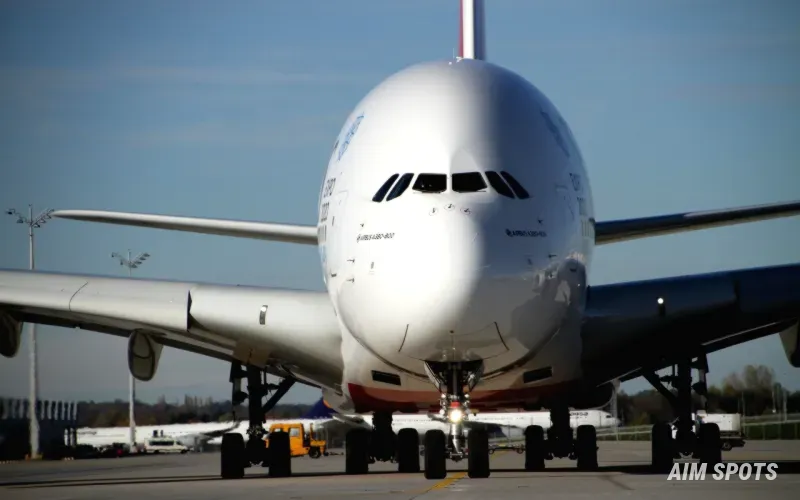
For years, one giant ruled the skies with an unbelievable passenger count. We are talking about Emirates' massive 615-seat Airbus A380, a twin-deck beast designed to pack in as many leisure travelers as physically possible. Also read: Lufthansa Cuts 20,000 Flights: How the Fuel Crisis Affects You. Also read: 29 Years of Star Alliance: How Travel Just Got Much Easier.
But in a surprising turn of events, the airline is officially killing off this legendary high-density configuration. It turns out that the era of squeezing every single inch of cabin space for maximum volume is losing its charm.
Emirates is currently stripping 46 seats out of these massive planes to make room for something much more lucrative: Premium Economy. This marks a massive shift in global aviation strategy, as noted by major financial outlets like Forbes, focusing on higher yields over pure passenger volume.
The Math Behind the Premium Economy Boom
You might wonder why an airline would voluntarily give up revenue-generating seats on a long-haul widebody jet. The answer lies in simple, modern cabin real estate math.
While a Premium Economy seat takes up about 1.4 times the physical floor space of a standard economy seat, it actually sells for two to three times the price. By replacing 102 economy seats with 56 Premium Economy seats and expanding Business Class, Emirates is dramatically boosting its revenue per square meter.
- Old Layout: 58 Business seats and 557 Economy seats (615 total).
- New Layout: 76 Business, 56 Premium Economy, and 437 Economy seats (569 total).
- The Result: 46 fewer passengers, but significantly higher profit margins.
Where Are These Retrofitted Planes Flying?
This massive cabin shake-up is already well underway across the carrier's network. Emirates chose the busy, short-haul route from Dubai to Amman to test the very first retrofitted aircraft.
Why Amman? This route offers a perfect mix of corporate travelers, expats, and high-end tourists heading to historical gems.
Following the successful trial, the newly configured superjumbos are heading to Prague and Guangzhou. By the end of the year, the ultra-dense 615-seat configuration will no longer exist anywhere in the world.
A Global Shift in Air Travel Comfort
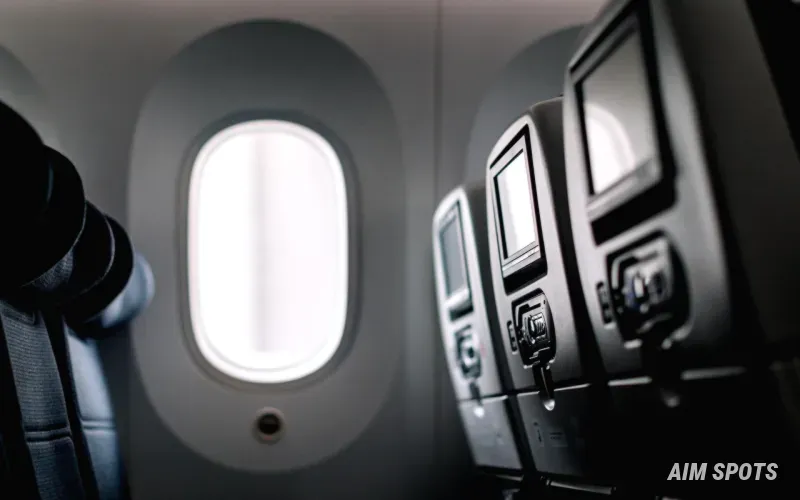
Emirates is far from alone in this premium push. Major global carriers like Singapore Airlines, Delta, and United are also aggressively retrofitting their widebody fleets with dedicated premium economy cabins.
It seems travelers are finally willing to pay a little extra for a more comfortable journey. The days of ultra-dense configurations are slowly fading into aviation history as carriers choose passenger comfort and yield over raw volume.
Frequently Asked Questions
Why is Emirates reducing the seat count on its A380 aircraft?
Emirates is removing 46 seats to replace them with a new Premium Economy cabin and expanded Business Class. The airline realized that premium seats generate much higher revenue per square meter than packed economy seats.
Which routes are getting the new three-class Emirates A380 first?
The retrofitted aircraft first debuted on the Dubai to Amman route. It is now expanding to Prague and Guangzhou, with all 15 high-density planes scheduled for conversion by late autumn.
Is Premium Economy really worth the extra cost?
For many travelers, yes. It offers significantly more legroom, wider seats, and upgraded dining options, bridging the gap between cramped economy and expensive business class.
Enjoyed Why Emirates Is Killing Its Densest 615-Seat A380? Why not explore our other posts, such as How United's Manage Booking Tool Saves You During Storm Delays, Why Use United Airlines Manage Booking Before Your Flight, and 29 Years of Star Alliance: How Travel Just Got Much Easier.
Comments (0)