

Why Lufthansa is Grounding Thousands of Flights
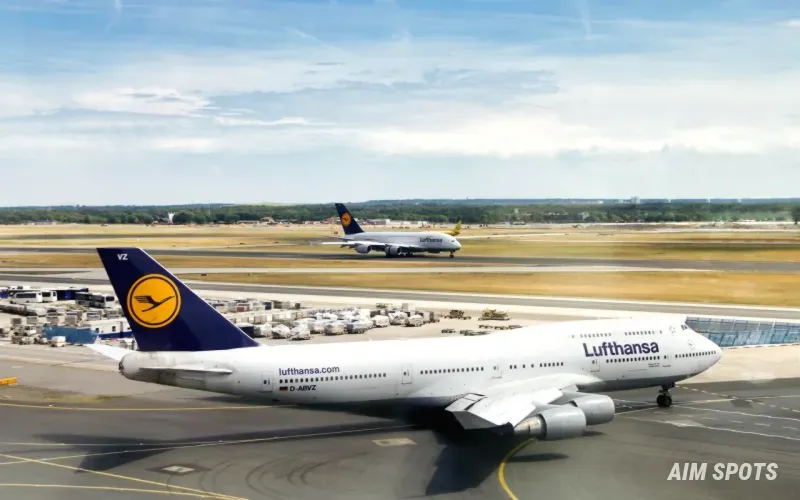
If you were planning a quick getaway across Europe this summer, you might want to double-check your booking. The German aviation giant, Lufthansa, recently announced it will be cutting a staggering 20,000 short-haul flights through October.
This massive reduction isn't just a random scheduling tweak. It is a direct response to the skyrocketing cost of jet fuel and ongoing geopolitical tensions that are shaking the industry to its core.
For travelers, this means the landscape of European air travel is shifting rapidly. With fewer planes in the sky, finding a seat on your preferred route just got a lot harder.
The Perfect Storm: War, Fuel, and Labor
The primary driver behind this decision is the conflict in the Middle East, which has sent oil prices into a tailspin. Since the end of February, the price of jet fuel has more than doubled in some markets, reaching highs of $209 per barrel.
In addition to fuel woes, Lufthansa is also navigating through turbulent labor disputes. These internal strikes have already forced hundreds of cancellations, making it difficult for the airline to maintain its regular schedule.
- Jet fuel prices rose from $99 to $209 per barrel in just weeks.
- Labor strikes by pilots and cabin crew have halted operations repeatedly.
- The airline is focusing resources on its main hubs in Frankfurt and Munich.
Which Routes are Being Cut?
The airline is primarily targeting less profitable short-haul routes. By thinning out these regional flights, Lufthansa hopes to save approximately 40,000 tonnes of precious jet fuel over the coming months.
Lufthansa’s subsidiary, CityLine, is taking a significant hit, with 27 smaller regional jets being permanently retired earlier than expected. This is part of a broader strategy to phase out older, less efficient aircraft that burn too much kerosene.
What This Means for Your Summer Travel Plans
For those heading to the airport soon, the reality is a bit rocky. According to Forbes, aviation experts suggest that reduced capacity almost always leads to one thing: higher ticket prices.
Expect to see more fuel surcharges and increased fees for checked luggage as airlines try to offset their massive expenses. The International Energy Agency has even warned that Europe could face a severe fuel shortage if supply lines remain disrupted.
How to Protect Your Trip
If you have an upcoming flight, stay proactive. Check your email regularly for cancellation notices and consider booking travel insurance that covers carrier-related disruptions.
It is also wise to look into alternative transportation, such as trains or buses, especially for travel within Central Europe. While Lufthansa is doing its best to stabilize its summer supply, the situation remains incredibly fluid.
Ultimately, the era of ultra-cheap European flights may be taking a temporary backseat while the industry grapples with these global challenges. Stay flexible and plan ahead to ensure your vacation stays on track.
Enjoyed Lufthansa Cuts 20,000 Flights: How the Fuel Crisis Affects You? Why not explore our other posts, such as Delta's LAX Lounge Upgrades, A220 Cabin Secrets & Southwest Deals, New Aer Lingus Summer 2026 Routes: Your Guide to the Best Getaways, and Why Are Travelers Still Wearing Helmets and Masks in 2026?.
Comments (0)