

The Viral Airport Image That Set the Internet Ablaze
A recent photo from Tenerife South Airport has gone viral, featuring a traveler decked out in a full helmet and mask. To some, it looked like a scene straight out of 2020, even though we are well into 2026.
Critics on social media were quick to pounce, comparing the passenger to Hiroo Onoda, the Japanese soldier who famously stayed at his post for decades after World War II ended. The mockery centered on the idea that the traveler simply hadn't "updated their brain" to the current reality.
However, this situation raises a fascinating question about the intersection of personal choice and public perception. If the fight against mandates was truly about freedom, why is there so much backlash when someone voluntarily chooses to gear up?
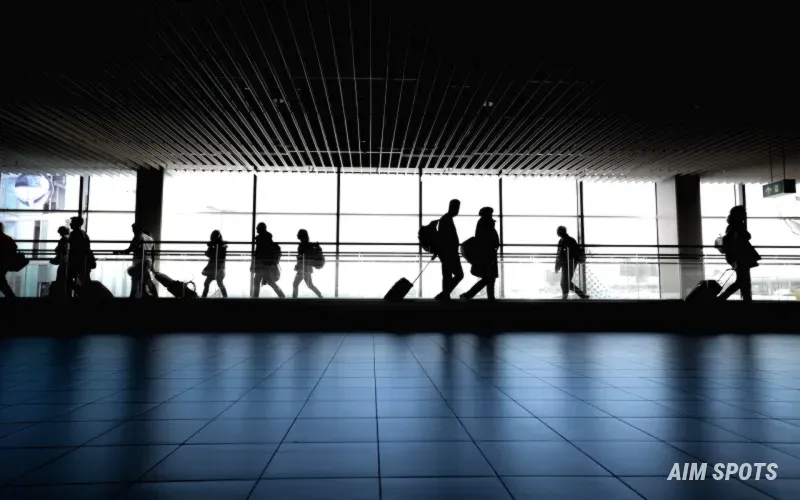
Airports Are Still Germ Hubs
While the "war" on the pandemic might be over in the eyes of many, the reality of airport hygiene remains pretty grim. Frequent flyers often joke that walking through major hubs like JFK or IAH is enough to make anyone crave a hazmat suit.
It is important to remember that while modern commercial jets use advanced HEPA filters to refresh cabin air every few minutes, those standards don't always apply to the terminal. In a packed departure lounge, you are breathing the same air as thousands of other travelers from across the globe.
- Crowded seating areas make social distancing impossible.
- Recirculated air in older terminals can be less than ideal.
- High-touch surfaces like kiosks and security bins are notorious for bacteria.
The Fine Line Between Safety and Airline Policy
Even if you want to go full "Breaking Bad" with your travel gear, airlines have their limits. Most carriers have banned extreme PPE like personal oxygen generators, ozone machines, or wearable "pods" that could block emergency exits.
Safety experts also point out a practical concern: if a cabin loses pressure, a passenger wearing a complex helmet might struggle to don an emergency oxygen mask quickly. It is a classic case where personal protection might actually interfere with flight safety protocols.
Ultimately, many travelers choose to mask up because they have underlying health conditions or simply don't want a flu to ruin their vacation. According to Forbes, travel wellness is a growing industry, and for some, that means prioritizing health over social approval.
Is It Just a Tribal Symbol?
For many observers, the mask has transitioned from a medical tool to a cultural signal. Some see it as a sign of lingering fear, while others view it as a simple act of courtesy, similar to practices long established in many Asian cultures.
At the end of the day, what someone else wears in the terminal doesn't affect your flight. Much like noise-canceling headphones or compression socks, it might look a bit odd to some, but it is ultimately a personal decision in a public space.
Whether you find it ridiculous or responsible, the debate proves that our collective experience with travel and health has changed forever. Perhaps the best approach is to focus on our own journeys and let others navigate theirs as they see fit.
Enjoyed Why Are Travelers Still Wearing Helmets and Masks in 2026?? Why not explore our other posts, such as The Ultimate Guide to the Air New Zealand Koru Programme, Thailand Hikes Airport Fees: What Travelers Need to Know, and Delta's LAX Lounge Upgrades, A220 Cabin Secrets & Southwest Deals.
Comments (0)