

A New Perspective on Baja's 'World Aquarium'
For many travelers, a winter trip to Baja California means one thing: getting up close and personal with gray whales. These majestic creatures are famous for their friendly nature, often swimming right up to boats in their breeding grounds.
However, recent shifts in the ecosystem have changed the narrative for the Eastern North Pacific gray whale. During a recent expedition, we learned that the population has dropped to roughly 13,000, a significant decline from its 2016 peak.
This change is largely due to shifting sea ice in the Arctic, which affects the whales' food supply. Because of this, responsible travel operators like Lindblad Expeditions are choosing to give these animals space, prioritizing their welfare over tourism demands.
The Rich Biodiversity of the Sea of Cortez
Even if you skip the traditional birthing lagoons, the Sea of Cortez—famously called the 'World's Aquarium' by Jacques Cousteau—is bursting with life. You can't help but run into nature here, from the moment you look out your plane window.
In the quiet corners of Nopoló, we watched vibrant hooded orioles and tiny hummingbirds nesting in the trees. The desert landscape is just as alive as the water, filled with unique species found nowhere else on Earth.
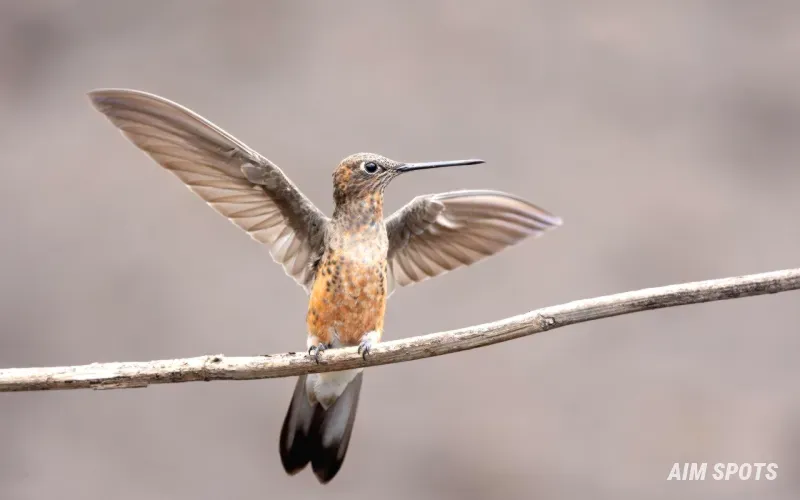
One of our favorite moments was observing a Xantus’s hummingbird tending to its nest. This tiny bird is endemic to the peninsula, making it a rare treat for any birdwatcher or nature lover.
Whales, Dolphins, and the Deep Blue
While gray whales are facing challenges, other species are thriving. During our week at sea, breaching humpback whales became a daily spectacle, launching their 40-ton bodies out of the water with incredible power.
We also encountered the fin whale, the world’s second-largest animal. Seeing an 85-foot giant surface near your vessel is a humbling experience that reminds you of the ocean's vast scale.
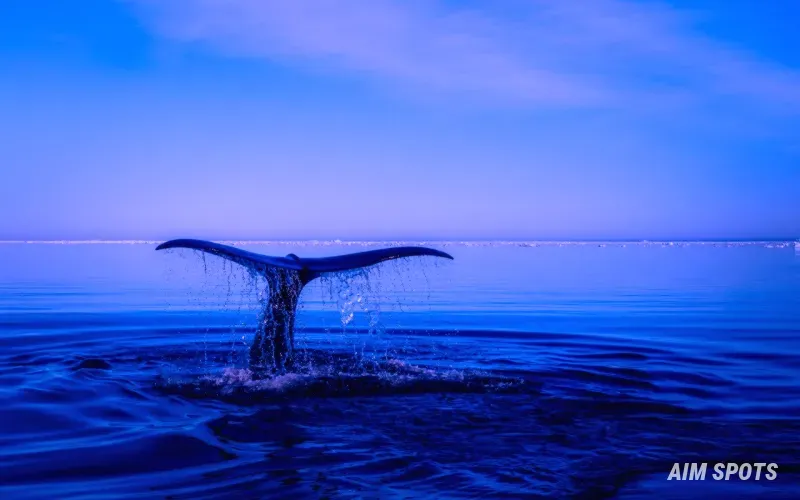
One of the most impactful parts of the journey was contributing to citizen science. By uploading photos of whale flukes to platforms like Forbes-recognized conservation apps, travelers can help researchers track and protect these individuals.
Exploring Remote Islands and Rugged Coasts
- Isla San Jose: A desert paradise where narrow trails lead to stunning coastal views.
- Puerto Los Gatos: Known for its rust-red sandstone cliffs and turquoise waters perfect for snorkeling.
- Punta Colorada: Home to the massive Cardón cactus, which can grow up to 30 feet tall.
The land is just as dramatic as the sea. We spotted the non-venomous Baja California coachwhip snake and the electric-blue-tailed western skink darting through the brush.
Protecting the Future of Marine Life
Our journey also highlighted the darker side of human impact. We spotted a sea lion with a deep neck laceration caused by a discarded fishing line, a common threat in these waters.
Organizations like Sea Shepherd are working tirelessly to rescue entangled animals, but the sight served as a stark reminder of why sustainable tourism is so vital. Choosing operators that put the environment first is the only way to ensure these wonders remain for the next generation.
The grand finale of our trip was a superpod of nearly 800 dolphins. They rode the bow of our ship for an hour, jumping through the waves as the sun dipped below the horizon—a perfect goodbye from one of the most biodiverse places on the planet.
Enjoyed Beyond Gray Whales: Discovering the Magic of the Sea of Cortez? Why not explore our other posts, such as How to Stop Birds From Flying Into Your Windows: Easy Guide, Galapagos Tours Guide: What No One Tells You Before You Go, and Are We Losing Them? How Climate Change is Ruining Our Coral Reefs.
Comments (0)