

Dreaming of standing foot-to-foot with giant tortoises or swimming alongside playful sea lions? The galapagos islands are a true bucket-list destination, but planning a trip here is unlike booking any other vacation. Also read: Yasuní National Park Guide: Ultimate Ecuador Amazon Adventure.
Many travelers arrive completely unprepared for the unique logistics of this remote archipelago. From hidden fees to unexpected physical demands, here is what no one tells you about booking Galapagos tours.
The Great Dilemma: Cruise vs. Land-Based Tours
One of the first decisions you must make is whether to explore by cruise or stay on land. While a cruise lets you reach remote, uninhabited islands overnight, land-based options offer more flexibility and are easier on your budget.
Cruises follow highly regulated itineraries set by the Galápagos National Park to prevent overcrowding. If you choose a land-based tour, you will stay on inhabited islands like Santa Cruz or Isabela and take daily speedboats to nearby spots.
The Hidden Costs Nobody Warns You About
Your tour price is rarely the final cost of your trip. Before you even set foot on the islands, you must pay a $20 Transit Control Card fee at the airport in mainland Ecuador.
Additionally, the national park entry fee is $200 per international adult. This fee must be paid in cash upon arrival, and credit cards are absolutely not accepted at the entry gates.

The Reality of Seasickness and Open Waters
The waters surrounding the archipelago can get surprisingly choppy, especially between July and November. Even the most luxury yachts will rock, and many travelers find themselves reaching for motion sickness medication.
If you are prone to seasickness, look for larger vessels or catamaran-style boats which offer more stability. Don't forget to pack high-quality reef-safe sunscreen and a reliable rash guard, as the equatorial sun is incredibly intense.
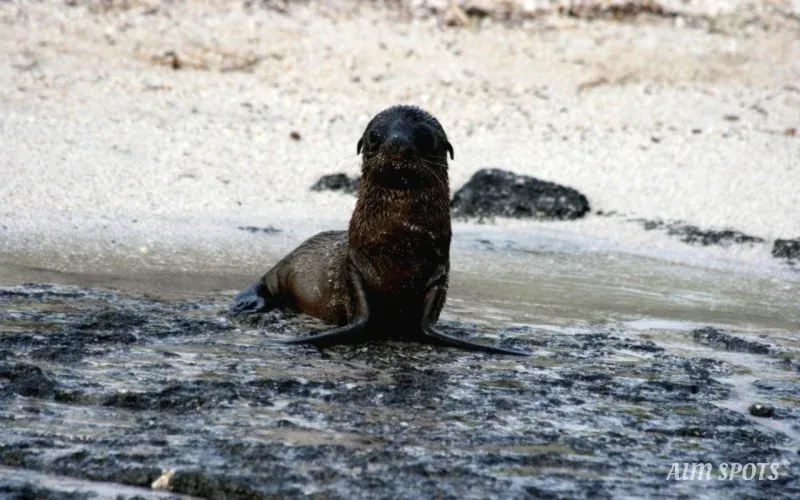
Strict Wildlife Rules and Park Etiquette
The animals in the Galapagos have no natural fear of humans, meaning you can get incredibly close. However, you must maintain a mandatory distance of at least six feet (two meters) from all wildlife at all times.
You must also be accompanied by a certified naturalist guide for almost every single excursion. These rules are strictly enforced to preserve one of the most pristine ecosystems on our planet.
Frequently Asked Questions
What is the best month to visit the Galapagos?
The warm, wet season from December to May offers calmer seas and warmer water, ideal for snorkeling. The cool, dry season from June to November is better for seeing active marine life and diverse bird behaviors.
Is a cruise better than a land-based tour in Galapagos?
A cruise is best for travelers wanting to see remote islands and maximize wildlife sightings. A land-based tour is ideal for budget-conscious travelers, those prone to seasickness, or people who prefer flexibility.
How much cash should I bring to the Galapagos?
You should bring at least $300 to $500 in cash per person. This covers the $200 national park entrance fee, the $20 transit card, tips for guides, and small purchases on islands where credit cards are not accepted.
Enjoyed Galapagos Tours Guide: What No One Tells You Before You Go? Why not explore our other posts, such as Zambia’s Best Kept Secret: Why You Must Visit Liuwa Plain, How to Stop Birds From Flying Into Your Windows: Easy Guide, and Central US Tornado Outbreak: Inside the Massive May Storms.
Comments (0)