

A Silent Crisis in Our Wild Spaces
Imagine standing at the edge of a majestic glacier, feeling the crisp, cool air on your face. Now, imagine returning in a few decades only to find a barren, rocky valley. This is the harsh reality currently facing our planet's most treasured sanctuaries. Also read: Traveling in 2026: Why Everything You Knew About Booking Has Changed.
climate change is no longer a distant threat; it is actively rewriting the landscapes of global national parks. From the snow-capped peaks of Montana to the delicate coral reefs of tropical marine reserves, the transformation is both rapid and deeply concerning.
According to research shared by the National Park Service, rising global temperatures are altering these protected lands faster than almost anywhere else on Earth. As travelers, we must open our eyes to these dramatic shifts before these landscapes are altered forever.
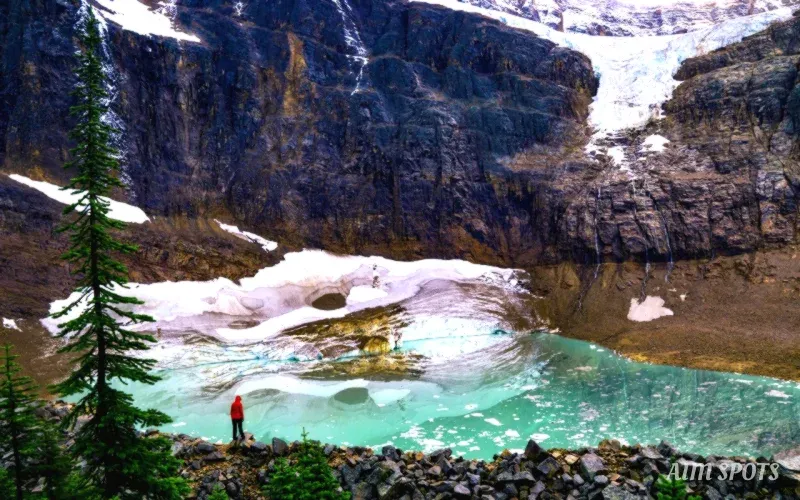
The Melting Giants: Glaciers in Retreat
Glacier National Park in the United States once boasted over 150 active glaciers. Today, only a fraction of those remain, and scientists predict they could disappear entirely within our lifetime.
When these glaciers melt, they do not just change the view for your vacation photos. They disrupt the entire freshwater supply for downstream ecosystems, affecting plants, animals, and human communities alike.
This rapid melting also contributes to rising sea levels, which directly threatens coastal parks around the world. Beautiful coastal sanctuaries are finding their shorelines swallowed by the ocean at an unprecedented pace.
Shifting Habitats and Threatened Wildlife
As temperatures climb, many wildlife species are forced to migrate to higher elevations or cooler latitudes. You might wonder, what happens when they run out of mountain to climb?
This ecological squeeze puts immense pressure on endangered species. Animals like the mountain pika or the iconic snow leopard are finding their natural habitats shrinking by the day.
Furthermore, the delicate timing of nature is falling out of sync. Flowers are blooming earlier than usual, which means pollinators like bees and butterflies arrive too late, disrupting the entire food chain.
Fire and Water: Extreme Weather Taking a Toll
It is not just about gradual warming. Climate change intensifies extreme weather events, bringing longer wildfire seasons and catastrophic flooding to places that rarely experienced them.
These intense fires destroy ancient forests that take centuries to recover. Meanwhile, desert parks are experiencing prolonged droughts that threaten the survival of unique flora like the Joshua Tree.
When heavy rains do come, they often trigger massive mudslides and erosion because the damaged soil can no longer absorb the water. This destroys historical trails and vital park infrastructure.
How You Can Help Protect Our Parks
While the situation seems daunting, you hold the power to drive positive change. Supporting sustainable travel practices and reducing your carbon footprint are great ways to start.
When you visit these natural wonders, always practice Leave No Trace principles. You can also support local conservation organizations dedicated to fighting climate change on a global scale.
By making conscious choices, we can help preserve these breathtaking destinations for future generations to explore and enjoy.
Frequently Asked Questions
How does climate change specifically affect national parks?
Climate change causes rapid glacier melting, shifts wildlife habitats to higher elevations, and increases the frequency of severe wildfires and floods within park boundaries.
Are any national parks completely disappearing?
While the physical land remains, entire ecosystems within parks, such as coral reefs in tropical marine parks or glaciers in alpine parks, are on the verge of disappearing completely.
What can tourists do to minimize their impact on parks?
Tourists can practice Leave No Trace principles, use public shuttle systems inside parks, reduce waste, and support local conservation initiatives during their visits.
Enjoyed How Climate Change Is Silently Changing Your Favorite National Parks? Why not explore our other posts, such as Africa’s Iconic Zambezi River Is Actually Longer Than We Thought!, Galapagos Cruise Wildlife Bucket List: Animals You Must See, and Why a Galapagos Cruise is the Ultimate Gift for Nature Lovers.
Comments (0)