

Imagine diving deep into a world of electric blues, radiant pinks, and teeming marine life. That is the magic of our planet's underwater cities, but a silent crisis is unfolding beneath the waves.
Climate change is no longer a distant threat. It is actively dismantling the world's most spectacular marine ecosystems, leaving us with a race against time to save them.
The Great Warming: Why Our Oceans Are Boiling
Coral reefs are highly sensitive organisms that thrive in very specific temperature ranges. When seawater warms even by a single degree, these delicate creatures experience immense stress.
This thermal stress forces corals to expel the tiny, colorful algae living inside their tissues. Without these algae, the corals lose their primary food source and turn ghostly white in a process known as coral bleaching.
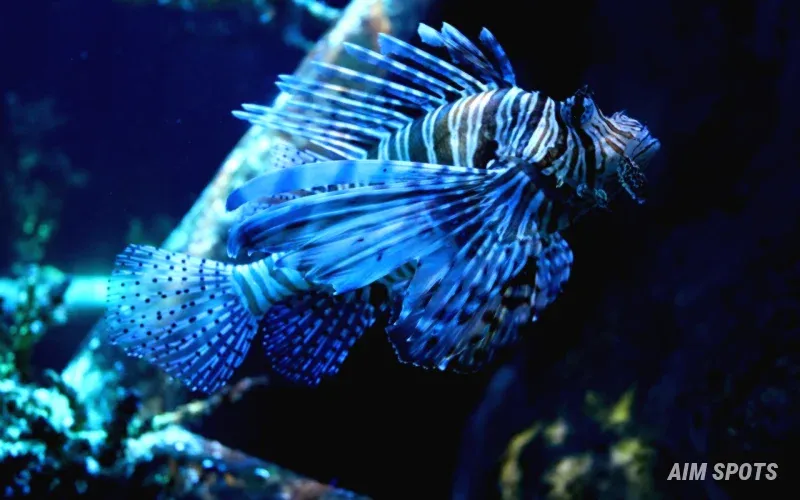
If the water stays too warm for too long, the bleached corals will starve and die. This is not just a localized issue; it is happening on a global scale at an alarming rate.
Iconic Reefs on the Brink of Collapse
From the legendary Great Barrier Reef in Australia to the pristine waters of the Maldives, no reef is safe. These natural wonders draw millions of travelers every year, supporting local economies and coastal protection.
Did you know that coral reefs cover less than one percent of the ocean floor but support over 25 percent of all marine life? Losing them means risking the collapse of entire ocean food webs.

According to research highlighted by the Nature Portfolio, ocean acidification is also making it incredibly hard for corals to build their protective stony skeletons.
How We Can Make a Real Difference
It is easy to feel overwhelmed by the scale of this environmental crisis. However, you have more power than you think to help turn the tide.
By reducing your carbon footprint, supporting sustainable marine tourism, and choosing reef-safe sunscreens, you can actively reduce local stressors on these fragile systems.
Supporting organizations that focus on coral restoration and planting heat-resistant coral strains is another fantastic way to get involved. Every small action counts when we are fighting for the survival of our oceans.
Frequently Asked Questions
How does climate change cause coral bleaching?
Climate change traps heat in the atmosphere, which is then absorbed by the oceans. This warming water stresses corals, causing them to expel the algae that give them life and color, leading to bleaching.
Can bleached coral reefs recover?
Yes, corals can survive a bleaching event if the water temperatures return to normal quickly enough. However, if the heat stress persists for weeks, the corals will eventually die from starvation and disease.
What can travelers do to protect coral reefs?
Travelers can use biodegradable, chemical-free sunscreens, avoid touching or stepping on corals, and support eco-certified tour operators who practice responsible marine tourism.
Enjoyed Are We Losing Them? How Climate Change is Ruining Our Coral Reefs? Why not explore our other posts, such as Africa’s Iconic Zambezi River Is Actually Longer Than We Thought!, Why Galapagos Tours Are the Ultimate Wildlife Adventure, and Zambia’s Best Kept Secret: Why You Must Visit Liuwa Plain.
Comments (0)