

The Shift from Destinations to Memorable Moments
For a long time, the travel industry was obsessed with one thing: the number of arrivals. If the planes were full and the hotels were booked, it was considered a success. Also read: Zambia’s Best Kept Secret: Why You Must Visit Liuwa Plain. Also read: Bikepacking 2026: New Gear, Epic Routes, and Sustainable DIY Hacks.
But things are changing fast. Modern travelers are no longer just looking for a place to sleep; they are chasing specific emotional experiences and milestones.
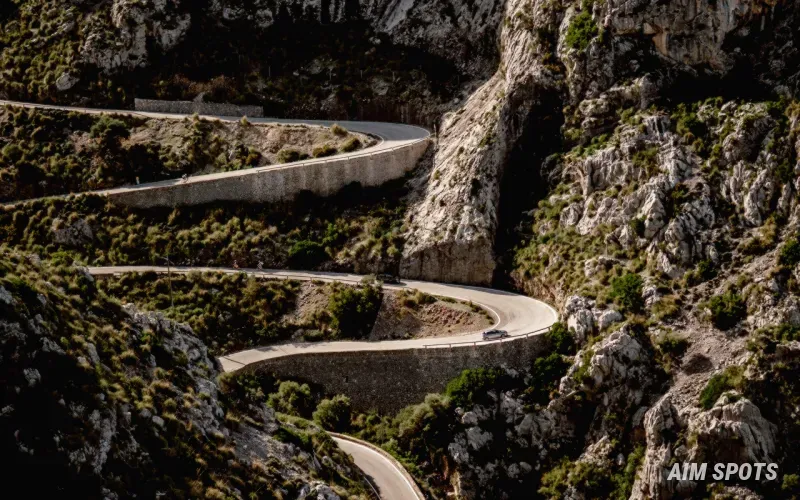
Take celebration tourism, for example. In places like Mallorca, birthdays and anniversaries are turning into curated travel events that combine luxury hospitality with deep personal meaning.
Lessons from the Caribbean: The Bonaire Example
Recent data from April 2026 shows that Bonaire welcomed 18,778 stayover visitors. While this was a tiny dip from the previous year, the demographics tell a fascinating story.
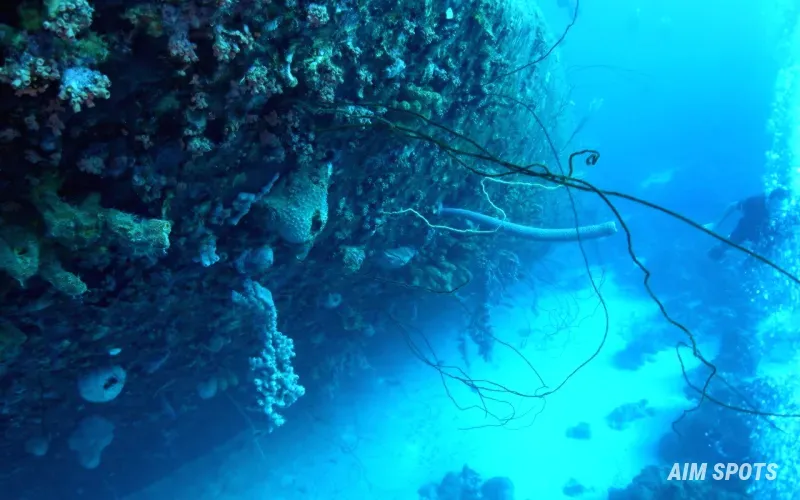
The Dutch and Americans still dominate the scene, with over 43% and 22% of arrivals respectively. Interestingly, many of these travelers aren't just there for a tan; they are there for specific activities like world-class diving.
According to Wikipedia, Bonaire has long been a pioneer in nature preservation, which is exactly what today's niche traveler is looking for.
The Hidden Hurdles: Infrastructure and Upkeep
While the soul of a destination like Georgia is undeniable, rapid growth brings its own set of "invisible" challenges. Travelers are starting to demand better baseline facilities.
In Georgia, the lack of high-quality roadside restrooms and the struggle to maintain 5-star standards after a few years are real pain points. Consistency is the true currency of luxury.
If a destination wants to keep visitors coming back, it has to move from a mindset of "fast growth" to one of "sustainable quality."
Weddings and Community: The Sri Lankan Model
Sri Lanka is currently positioning itself as a hub for destination weddings powered by community-based tourism. This isn't just about a pretty beach ceremony.
It’s about connecting the wedding economy to local artisans, village homestays, and traditional food producers. This ensures that the money stays within the local community.
This model proves that you don't need massive infrastructure to provide a high-value experience. Authenticity often beats a fancy hotel pool every single time.

Why Adventure Travelers are the Real MVPs
Did you know that adventure travelers spend an average of $2,500 per person in the local economy? That is more than double what the typical package tourist spends.
Even better, about 76% of that money goes directly to local guides and family-run operators rather than international chains. This is a much more efficient economic model for developing nations.
As noted by Forbes, the rise of the conscious traveler is forcing destinations to rethink how they measure success—shifting focus from volume to actual local impact.
Frequently Asked Questions
Why is celebration tourism becoming so popular?
Travelers are placing more value on shared experiences and emotional memories. Instead of a traditional party, people are choosing to celebrate milestones like birthdays in unique destinations to create lasting stories.
What is the biggest mistake tourism boards make?
Many destinations focus solely on arrival numbers while ignoring "leakage," where a large percentage of revenue leaves the country to foreign-owned hotel chains and booking platforms.
How does adventure tourism benefit local communities?
Adventure travelers often prefer raw, authentic experiences. This means they spend more on local guides, community guesthouses, and regional food, ensuring a wider distribution of wealth.
Enjoyed Beyond the Numbers: How Meaningful Moments Are Reshaping Global Travel? Why not explore our other posts, such as Underground Secrets: Why Your Next Build Needs Ground Engineering, Climate Change Is Ruining Your Favorite Ski & Beach Spots, and Is Climate Change Killing the Ski Industry? The $20 Billion Truth.
Comments (0)