

The Shifting Landscapes of Our Dream Getaways
Imagine booking your dream winter getaway, only to find patchy grass instead of fresh powder. Or picture your favorite tropical shoreline completely swallowed by rising tides. This is no longer a distant dystopian scenario; it is happening right now.
Climate change is actively reshaping the geography of global tourism. From the snow-capped peaks of the Alps to the sun-drenched shores of the Caribbean, our most cherished vacation spots are facing unprecedented crises.
Warming Slopes: The Decline of Ski Resorts
For ski enthusiasts, the winter season is shrinking at an alarming rate. Warmer global temperatures mean less natural snowfall and shorter windows for winter sports.
Many low-altitude resorts in Europe and North America now rely almost entirely on artificial snowmaking. However, this process requires massive amounts of water and energy, creating a challenging ecological cycle.
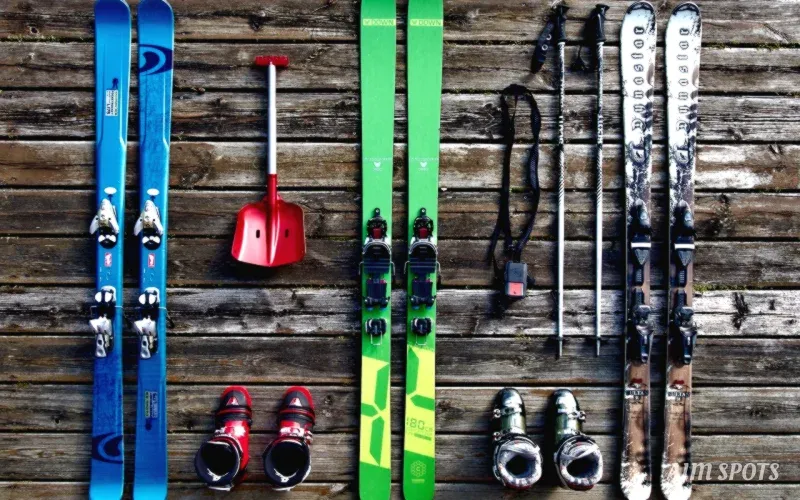
According to research on NASA Climate Change, rising temperatures are shifting snow lines higher up the mountains every decade. If you love the slopes, you may soon have to travel much higher—and pay much more—to find real snow.
Vanishing Paradises: Coastal Erosion and Bleached Reefs
On the flip side, our beloved beach destinations are fighting a losing battle against rising sea levels. Coastal erosion is literally swallowing beaches whole, leaving oceanfront hotels dangerously close to the water.
In places like the Maldives and Miami Beach, local governments are spending millions to pump sand back onto receding shores. But this is merely a temporary band-aid on a rapidly growing wound.
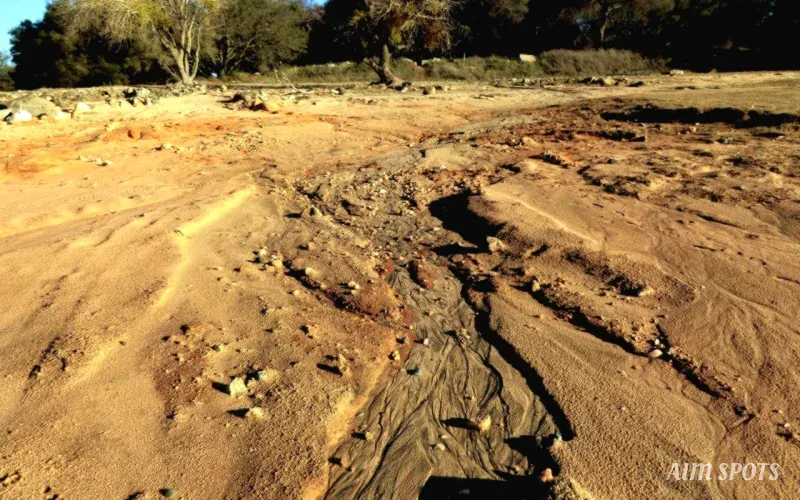
Furthermore, marine heatwaves are causing widespread coral bleaching. The vibrant underwater ecosystems that snorkelers and divers adore are rapidly turning into ghostly white graveyards.
Adapting to the New Reality of Travel
As travelers, we cannot simply ignore these drastic environmental shifts. The way we plan our vacations must evolve alongside the changing planet.
Many tourists are now shifting toward "coolcationing"—seeking out cooler northern destinations during summer peaks to escape extreme heatwaves. Supporting eco-certified accommodations and minimizing our carbon footprint is no longer optional; it is essential.
Frequently Asked Questions
How is climate change affecting ski seasons?
Warming temperatures are shortening winter seasons, causing erratic snowfall, and forcing resorts to rely heavily on artificial snowmaking to stay open.
Which beach destinations are most at risk?
Low-lying island nations like the Maldives and Tuvalu, along with coastal hotspots like Miami Beach and parts of the Mediterranean, face severe threats from rising sea levels and erosion.
How can travelers reduce their environmental impact?
You can help by choosing sustainable travel operators, reducing flights, supporting local conservation efforts, and practicing leave-no-trace principles during your trips.
Enjoyed Climate Change Is Ruining Your Favorite Ski & Beach Spots? Why not explore our other posts, such as Why Nature Sustainability Saves Our Favorite Tropical Beaches, The Honest Truth About Caye Caulker: Paradise or Tourist Trap?, and Why World Tuna Day 2026 Is a Turning Point for Our Oceans.
Comments (0)