

The Shifting Slopes of Our Planet
Have you ever stood at the base of a towering peak, feeling both incredibly small and deeply inspired? For generations, mountain trekking has offered us a profound escape into nature's most untouched sanctuaries. But today, the very landscapes we love to explore are undergoing a dramatic and rapid transformation.
Climate change is no longer a distant threat whispered in scientific circles. It is actively rewriting the rules of high-altitude adventure, altering trails, and reshaping ecosystems before our eyes. If you are planning your next trek, understanding these shifts is crucial for your safety and your journey.
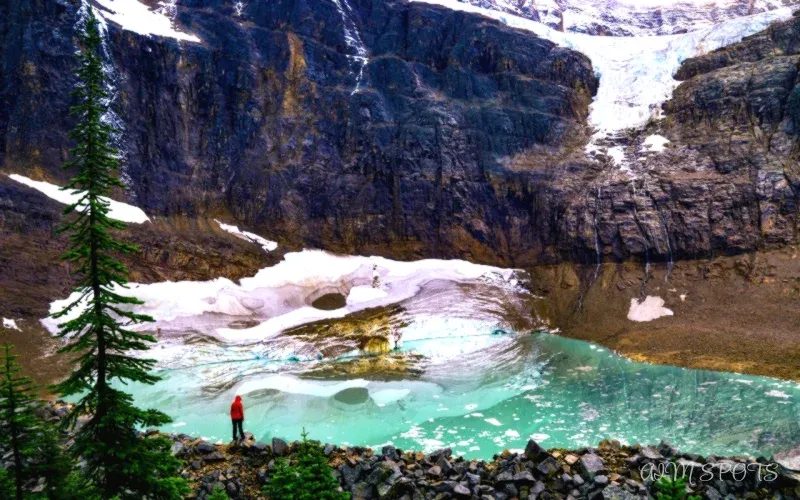
The Erasure of Traditional Trekking Seasons
In the past, planning a mountain trek was relatively straightforward. Hikers relied on well-defined seasonal windows to guarantee stable weather and safe passage. Today, those predictable windows are rapidly shrinking and shifting.
Spring arrives earlier, bringing premature snowmelt that turns solid paths into treacherous mud baths. Autumns are growing warmer but are increasingly disrupted by violent, unseasonal storms that catch even experienced guides off guard. You can learn more about these global weather patterns through resources like National Geographic.
- Unpredictable Monsoons: Heavy rains now extend far past their usual boundaries.
- Extreme Temperature Swings: Scorching days can quickly plummet into freezing nights.
- Vanishing Snowpacks: Once-reliable winter routes are now bare rock and loose gravel.
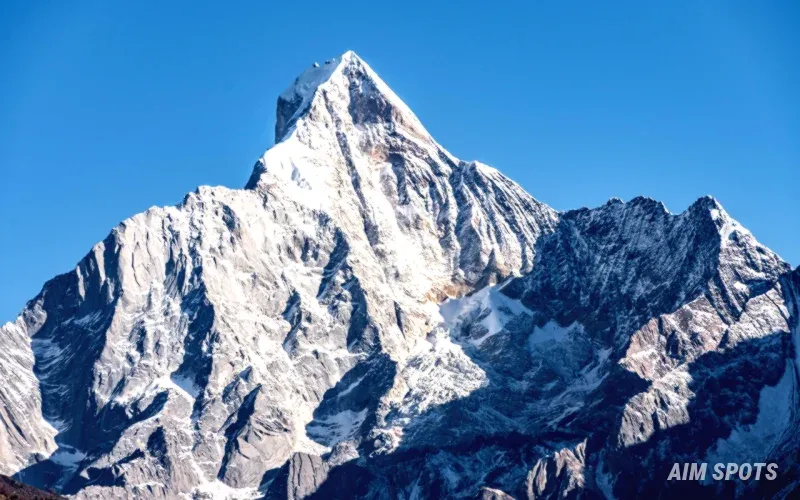
New Hazards on the High Trails
As permafrost melts, the natural glue holding giant rock faces together is dissolving. This has led to a dramatic rise in rockfalls and sudden landslides along popular trekking routes worldwide. Glacial retreat is also creating unstable glacial lakes, raising the risk of catastrophic outburst floods.
When you hike today, the ground beneath your boots is literally less stable than it was a decade ago. Navigating these routes now requires a heightened sense of awareness and a willingness to turn back when conditions look suspicious. Organizations like the UN Environment Programme continuously monitor these fragile alpine ecosystems to help us understand the risks.
How You Can Adapt as a Modern Trekker
Does this mean we should hang up our trekking boots forever? Absolutely not, but it does mean we must adapt our approach to adventure.
First, flexibility is your new best friend. Be prepared to change your itinerary at a moment's notice based on local weather updates. Second, invest in high-quality gear that can handle extreme, unpredictable conditions. Finally, always hire local guides who possess up-to-the-minute knowledge of trail safety and terrain changes.
Frequently Asked Questions
How does climate change affect trekking safety?
Climate change increases risks like rockfalls, sudden landslides, and glacial lake floods due to melting permafrost and unstable glaciers. Weather patterns have also become highly unpredictable, making sudden storms more common.
Are traditional trekking seasons still reliable?
Not entirely. Traditional spring and autumn trekking windows are shifting and becoming much harder to predict, meaning hikers must remain highly flexible with their travel dates.
What can hikers do to reduce their impact on changing mountain ecosystems?
Hikers should strictly practice Leave No Trace principles, support local conservation initiatives, and choose eco-friendly guiding agencies that prioritize sustainable tourism.
Enjoyed How Climate Change is Changing Mountain Trekking Forever? Why not explore our other posts, such as Sustainable Travel on a Budget: 5 Easy, Cheap Eco-Hacks, Why Sustainable Tourism Destinations Will Change Your Life Forever, and Why You Must Understand Climate Change Before Your Next Trip.
Comments (0)