

Meet the Mighty Limpet: The Ocean's Tiny Architect
If you've ever wandered along the rocky shores of Western Europe, you’ve likely seen small, volcano-shaped shells clinging to the stones. These are common limpets, and they are much tougher than they look!
These little mollusks spend their lives in the intertidal zone, the rugged area between the high and low tide. Despite the crashing waves, they stay firmly attached thanks to a powerful muscular foot.
A Shell Built Like a Fortress
The shell of a common limpet can grow up to about 2.4 inches long. It is incredibly hard, acting as a natural shield against hungry predators trying to grab a quick snack.
While the outside is often a rugged grayish-white, the underside—the 'sole' of the foot—can range from bright orange to a dull green. It’s a fascinating contrast for such a simple-looking creature.
The Fascinating Concept of a 'Home Scar'
Did you know that limpets actually have a favorite parking spot? When the tide comes in and things get damp, they crawl away to feast on algae and tiny microorganisms.
However, once they finish their meal, they return to the exact same spot on the rock. Over time, their shell grinds into the stone, creating a custom-fit depression called a 'home scar.'
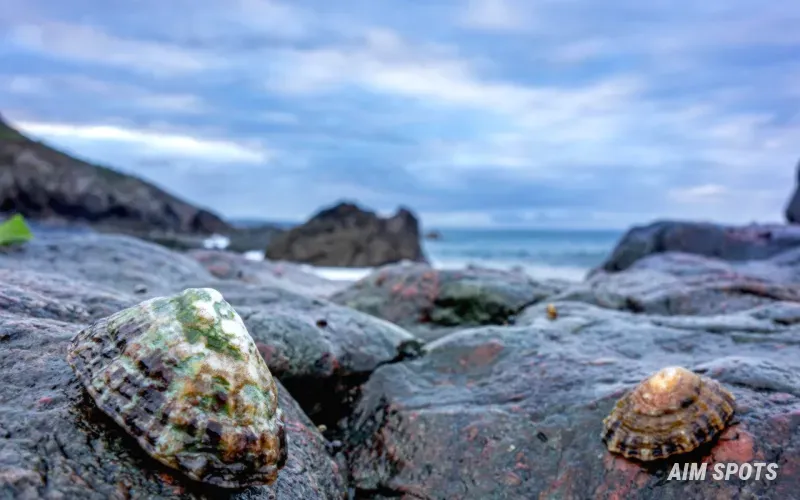
This perfect fit helps them stay hydrated and protected when the tide goes back out. You can learn more about these marine gastropods on Wikipedia to see just how diverse they are.
How Limpets Keep the Ocean Healthy
Limpets are more than just pretty shells; they are vital indicators of a healthy ecosystem. Their presence helps scientists monitor the marine food web, as they are a key link between algae and larger predators.
According to research highlighted by National Geographic, healthy limpet populations often mean the surrounding environment is thriving. They act as natural lawnmowers for the sea, keeping algae from overgrowing.
- They maintain the balance of the intertidal food web.
- They reproduce through broadcast spawning to ensure their survival.
- Their shells provide a home for other tiny organisms.
Protecting Our Tiny Coastal Friends
Unfortunately, these little guys face big problems like oil spills, habitat destruction, and the growing climate crisis. Because they are so small, even minor changes in water quality can have a huge impact.
Supporting ocean conservation efforts is the best way to ensure limpets continue to thrive. By keeping our beaches clean and reducing pollution, we help protect the delicate balance of life under the sea.
Enjoyed Why the Common Limpet is the Toughest Creature on the Coast? Why not explore our other posts, such as Africa’s Iconic Zambezi River Is Actually Longer Than We Thought!, Galapagos Cruise Wildlife Bucket List: Animals You Must See, and Oklahoma Tornado Crisis: EF-4 Damage and Midwest Storm Alerts.
Comments (0)