

If you love hitting the slopes, the 2025–26 winter season was undoubtedly a wild ride. Across North America, ski enthusiasts and operators alike had to navigate an incredibly unpredictable climate marked by unseasonably warm temperatures and sparse snowfall. Also read: How to Survive a 24-Inch Winter Storm: Essential Snow Travel Tips. Also read: Surviving the Snow: How to Research the Deadliest US Avalanches.
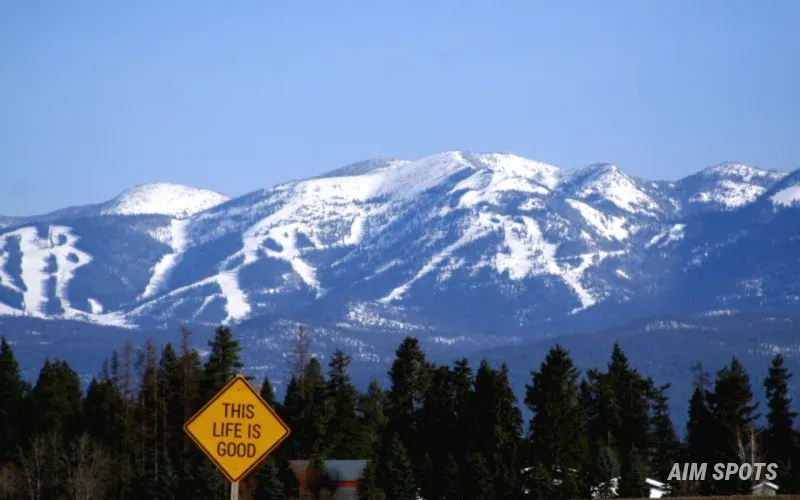
Among those adapting to these shifting skies was Montana's famous Whitefish Mountain Resort. Affectionately known as Big Mountain, this scenic getaway had to get creative to keep the winter magic alive during what many called "the winter that wasn't."
Weathering the Warm Spell: The Numbers Behind the Season
During a normal winter, you might expect the summit of Big Mountain to plunge to a bone-chilling -20°F or colder with wind chill. This year, however, the resort experienced a distinct warming trend that kept skiers on their toes.
According to resort officials who spoke at a community town hall, Whitefish saw an 8% drop in overall skier visits compared to the previous year. Total visits came in at 457,000, which was about 40,000 fewer than the highly successful 2024-25 season.
While out-of-town visitation dipped by 11%, local loyalty burned brighter than ever. Amazingly, season pass sales actually grew by 3%, breaking previous records with more than 17,000 passes sold.
Why Mother Nature Kept Skiers Guessing
What exactly caused this unusual season? The National Weather Service reported that the nearby town of Kalispell experienced its fourth-warmest winter on record, with temperatures averaging around 30.6°F to 30.7°F.
This was a whopping 5.7°F warmer than the region's historical average. To make matters more challenging, a late-season heat dome rolled in, resulting in the warmest March ever recorded for the area.
Because of this, the summit only received about 70% of its average snowfall, while the base area saw a steady stream of rain. This warmth severely limited the resort's ability to make artificial snow, especially during the crucial early weeks of the season.
The Silver Linings: Record Days and Lodging Wins
Despite the challenges, there were some massive wins for visitors and the local economy. A holiday storm just after Christmas dumped 14 inches of fresh snow, leading to a historic, record-breaking visitation day on December 27.
If you stayed overnight, you were in good company. Lodging revenue actually jumped by 5% compared to last season, helping to offset the mountain's budget deficit.
Surveys showed that visitors stayed an average of six nights and skied for four days. This meant plenty of tourism dollars were shared with local businesses in the beautiful Flathead Valley, just outside Glacier National Park.
A Quick Look at Whitefish Mountain Resort
Even in a soft year, this resort remains a premier destination for mountain lovers. If you plan to visit in the future, here is a quick look at what this massive playground has to offer:
- Skiable Acres: Approximately 3,000 acres of incredible terrain.
- Trails: 110 named runs to explore.
- Elevation: A summit elevation of 6,817 feet and a base of 4,464 feet.
- Vertical Drop: An exciting 2,353 feet of vertical descent.
Conveniently located in northwestern Montana, the resort is a quick 30-minute drive from the Glacier Park International Airport in Kalispell, making it incredibly accessible for your next winter escape.
Looking at the Big Picture
While the weather was undeniably tough, resort representatives highlighted that Whitefish actually fared much better than many of its neighbors in the western United States. Many other major operators across the region reported far steeper declines in skier turnout.
Thanks to a dedicated community, record-breaking pass holder loyalty, and busy peak periods like President's Day weekend and Canadian family ski week, Big Mountain proved its resilience yet again.
Frequently Asked Questions
What were the main weather challenges at Whitefish Mountain Resort during the 2025-26 season?
The resort faced unusually warm winter temperatures that averaged 5.7°F above normal, leading to rain at the base and only 70% of average snowfall at the summit. This warmth also heavily restricted the windows available for artificial snowmaking.
How did the resort's lodging perform despite fewer overall skier visits?
In a bright financial turn, lodging revenue actually increased by 5% year-over-year. Visitors stayed an average of six nights, helping to boost the local economy beyond the ski slopes.
Did Whitefish Mountain Resort set any records during this challenging winter?
Yes! The resort broke records for season pass sales, which topped 17,000. Additionally, the resort recorded its busiest single day in history on December 27, following a timely 14-inch holiday snowstorm.
Enjoyed How Whitefish Mountain Resort Survived 'The Winter That Wasn't'? Why not explore our other posts, such as Australia Ski Season: 10-30cm Snow Forecast for Opening Weekend!, Paradise Found: The Ultimate Guide to Hilton Waikoloa Village, and Italy Ski Resorts Face Record Crowds: Expert Tips to Find Solitude.
Comments (0)