

The Reality of a Massive Winter Storm Warning
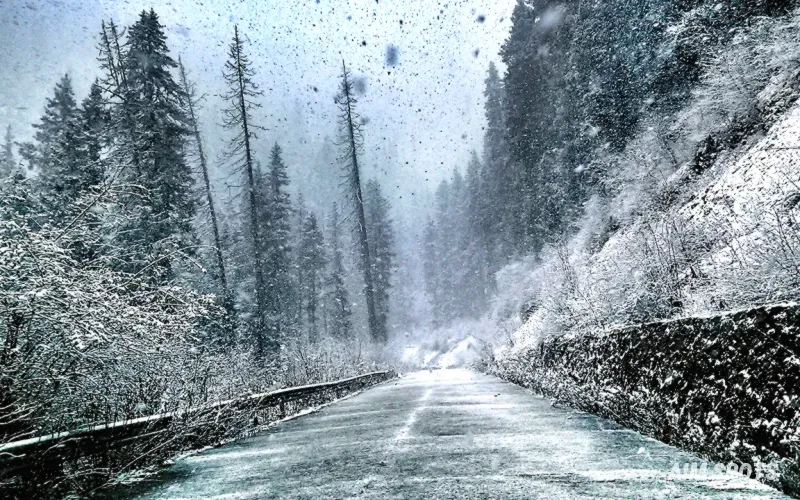
Imagine waking up to a weather alert predicting up to 24 inches of heavy snow blanketing your route. Winter storms of this magnitude can quickly shut down major highways, cancel flights, and trap travelers in freezing conditions. Also read: Why a 12 Seater Tempo Traveller is the Ultimate Group Trip Hack. Also read: Surviving the Snow: How to Research the Deadliest US Avalanches.
According to safety experts, proper preparation is the thin line between an exciting winter adventure and a dangerous survival situation. Knowing how to adapt to extreme weather is essential for any modern traveler.
1. Monitor Local Weather Alerts and Road Closures
Before you even pack your bags, you need real-time weather data. Keep a close eye on updates from authoritative sources like the National Weather Service to track the storm's path.
If local authorities issue a winter storm warning for your destination or route, it is always best to postpone your trip. Understanding the mechanics of a winter storm can help you make safer, more informed travel decisions.
2. Prepare an Emergency Winter Car Kit
If you absolutely must drive, your vehicle needs to be stocked with life-saving essentials. Never head out into heavy snow without a fully prepped winter survival kit in your trunk.
Make sure you pack these items before leaving:
- Heavy-duty blankets or sleeping bags to maintain body heat.
- Non-perishable snacks like energy bars and plenty of bottled water.
- A sturdy snow shovel, ice scraper, and traction mats or kitty litter.
- A portable jumper cable set and a fully charged power bank for your phone.

3. Master the Art of Driving in Deep Snow
Driving in a heavy snowstorm requires a completely different skillset than normal commuting. Keep your speed incredibly low, avoid sudden braking, and increase your following distance behind other vehicles significantly.
If your car begins to slide, remain calm and steer gently into the direction of the skid without slamming on the brakes. Sudden movements will cause you to lose complete control of your vehicle.
4. Know What to Do If You Get Stuck
If your vehicle becomes stranded in deep snow, do not panic or wander away in search of help. Your car is your best shelter; stay inside it and run the engine for only ten minutes every hour to keep warm.
Importantly, make sure the exhaust pipe is entirely clear of snow. A blocked exhaust can cause deadly carbon monoxide gas to build up inside the cabin.
Enjoyed How to Survive a 24-Inch Winter Storm: Essential Snow Travel Tips? Why not explore our other posts, such as Why Your Small Business Wastes Money on Corporate Travel, Skip Logan Airport Lines: This New Suburb Terminal Clears TSA for You, and Where to Stay in Puglia: Best Towns & Areas to Base Yourself.
Comments (0)