

Have you ever found yourself sitting in a dimly lit train station at five in the morning, desperately clutching a packet of stale biscuits? If you are an avid traveler, this scenario probably sounds incredibly familiar. Navigating the world often means dealing with unpredictable schedules, early morning flights, and long bus rides. Unfortunately, it also means making terrible food choices out of sheer desperation. Also read: Mastering the Search: Find the Best Travel Groups Online. Also read: From Summer Sunshine to Sudden Frost: Survive Wild Weather Shifts.
For years, the standard advice for any globetrotter has been to stick to the classic three-meals-a-day routine. We are told that breakfast is the most important meal of the day, especially when we have long transit days ahead. However, anyone who has actually traveled extensively knows that this advice often falls apart in the real world. When you are rushing to catch an early morning flight or a bus, finding a nutritious breakfast is nearly impossible.
Why Traditional Travel Eating Schedules Can Be a Nightmare
During the vast majority of my early travels, I went with the classic three meals a day plus lots of snacks and soft drinks kind of diet. It was fine most of the time, but it would always be a massive hassle when I had some early morning transport to catch. I would start to get really hungry about an hour after I got up, meaning I had to eat something urgently. Anything at all would do, as long as it stopped the growling in my stomach.
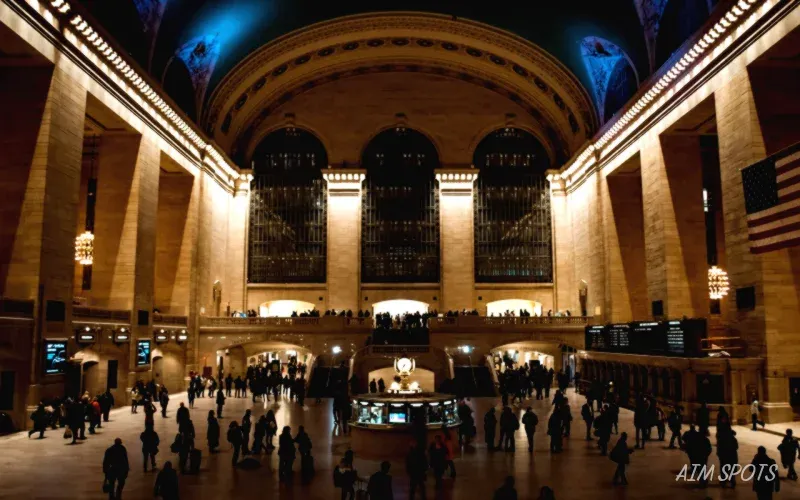
Seated in dark train stations in India at five in the morning or getting off a night bus in South America at six in the morning, I would be absolutely ravenous. At that hour, the options are incredibly limited. It was often biscuits, little sponge cake things, or chocolate bars. This will be familiar to unorganized travelers who take lots of early morning buses, trains, or flights. The food you eat at six in the morning at a train station is rarely the breakfast of champions.
If it was a long ride, I would often have some kind of biscuit for breakfast before getting on the bus, then another pack for lunch. Sometimes I would mix it up with some chips or a processed snack during small stops. In places like India, I would lose my seat on the bus if I got off during stops, so it was biscuits and cakes most of the time. This constant anxiety about when and where you will get your next meal can cast a shadow over your entire journey.
What is Intermittent Fasting and How Does It Work on the Road?
This is where the magic of intermittent fasting comes into play. If you are unfamiliar with the concept, intermittent fasting is not a restrictive diet, but rather an eating pattern. You restrict your daily food intake to a specific time window and fast for the remaining hours. You can read more about the biological mechanisms of this practice on Wikipedia to understand how it affects your metabolism.
For many travelers, a popular schedule is the 16/8 method, where you fast for sixteen hours and eat during an eight-hour window. For instance, you might choose to eat only between 1:00 PM and 8:00 PM each day. This means you completely skip the morning rush to find breakfast, allowing you to focus entirely on your journey. It is a level of control over your stomach that you might have never thought you could achieve.
The beauty of this approach is its simplicity. You do not need to carry specialized health foods or worry about calorie counting while exploring a new city. You simply adjust your eating schedule to fit your lifestyle, giving you a powerful tool to manage your energy levels on the go. It is an incredibly convenient way to live, especially for those who move around a lot.
The Hidden Benefits of Fasting for Active Travellers
One of the most immediate benefits of fasting while traveling is the sheer convenience it offers. Imagine waking up at five in the morning for a long train ride and not having to worry about food at all. You do not have to search for an open cafe or settle for greasy train station snacks. Instead, you can simply enjoy the ride, read a book, or catch up on sleep without a rumbling stomach.
This practice also grants you an incredible level of digestive control. When you fast, your digestive system gets a much-needed break, which can significantly reduce the risk of travel-related stomach issues. You are no longer subjecting your body to sketchy roadside food at odd hours of the night. It keeps your energy levels stable and prevents the dreaded sugar crashes associated with processed snacks.
Furthermore, skipping breakfast can save you a significant amount of money over time. Travel expenses can accumulate rapidly, and breakfast is often the most overpriced meal at hotels and airports. By skipping this meal, you can allocate your budget toward high-quality lunches and dinners at authentic local restaurants. It is a win-win situation for both your wallet and your health.
How to Successfully Implement Intermittent Fasting on Your Next Trip
If you want to try this method, it is crucial to prepare your body before you depart. Do not wait until you are boarding a flight to start your first fast. Begin by gradually delaying your breakfast by an hour or two each day while you are still at home. This allows your body to adapt to using alternative energy sources without experiencing sudden drops in blood sugar.
During your fasting window, hydration is your absolute best friend. You should drink plenty of water, sparkling water, black coffee, or herbal teas to keep your stomach full and your mind sharp. These beverages will not break your fast, but they will help suppress any temporary hunger pangs you might experience. Always carry a reusable water bottle with you wherever you go.
You should also align your eating window with the local culture of your destination. For example, if you are traveling in Spain where dinners are served very late, you might want to shift your eating window to 2:00 PM to 10:00 PM. If you want to take advantage of free hotel breakfasts, you can eat your first meal at 10:00 AM and finish up by 6:00 PM. This flexibility ensures that you can still enjoy social meals and local delicacies without breaking your routine.
Common Mistakes to Avoid While Fasting on the Go
One of the biggest mistakes travelers make is being too rigid with their fasting schedule. Travel is inherently unpredictable, and flights get delayed, buses break down, and plans change. If you find yourself in a situation where your hotel offers a spectacular, once-in-a-lifetime free breakfast, do not be afraid to break your fast early. Simply adjust your window for that day and resume your normal routine tomorrow.
Another common pitfall is overeating or binging on junk food once your eating window opens. It can be tempting to reward yourself with a massive pile of fries or sugary treats after fasting for sixteen hours. However, breaking your fast with heavy, processed foods will likely make you feel tired and bloated. Opt for a balanced meal with plenty of protein, healthy fats, and fiber to sustain your energy.
Lastly, do not ignore your body's warning signs. Fasting should make you feel lighter and more energetic, not dizzy or faint. If you feel genuinely unwell, it is a clear sign that you need to eat something immediately, regardless of what the clock says. Always pack a small, healthy snack like nuts or dried fruit in your bag for emergencies.
Crucial Safety Tips and Considerations
While intermittent fasting offers numerous benefits, it is not suitable for everyone. It is highly recommended that you consult with a healthcare professional before making any drastic changes to your diet. You can find excellent health guidelines on Healthline to help you make an informed decision. This is especially important if you have pre-existing medical conditions.
Research also suggests that intermittent fasting can affect men and women differently. Women may be more sensitive to the hormonal shifts associated with calorie restriction and prolonged fasting. If you find that fasting disrupts your sleep, mood, or menstrual cycle, you should reconsider this approach or try a shorter fasting window, such as fourteen hours.
Ultimately, the goal of intermittent fasting is to enhance your travel experience, not to add extra stress. Use it as a flexible tool to navigate busy transit days, but always prioritize your health and well-being above all else. With a little bit of planning and self-awareness, you can enjoy a healthier, more convenient, and more liberating way to explore the world.
Frequently Asked Questions
Can I drink coffee or tea while fasting on a flight?
Yes, you can drink black coffee and unsweetened tea during your fasting window. These beverages do not contain calories and will not break your fast. However, make sure to avoid adding sugar, milk, or creamer, as these will immediately end your fasted state.
What should I do if my flight is delayed and I get hungry?
If you experience unexpected travel delays and feel genuinely weak or dizzy, you should break your fast. Your safety and well-being are always the top priority. Try to choose a healthy option like nuts, fruit, or a yogurt rather than reaching for processed airport junk food.
Is intermittent fasting safe for everyone who travels?
While it is safe for many healthy adults, it may not be suitable for pregnant women, individuals with a history of disordered eating, or those with specific medical conditions. It is always best to consult with a doctor before starting any new fasting regimen, especially before a major trip.
Enjoyed Intermittent Fasting While Travelling: The Ultimate Freedom Guide? Why not explore our other posts, such as 7 Surprising Realities of Living in Japan Expats Wish They Knew, Hawaii Weather Warning: Flash Floods, High Winds, and Summit Snow, and Why You Need a Travelcard Before Stepping Foot Abroad.
Comments (0)