

A Land of Ice, History, and Geopolitics
When you think of Greenland, you probably picture massive glaciers and endless snow. But did you know this island has a history as dramatic as its landscape?
From the first Viking explorers to modern-day political tug-of-wars, Greenland's story is a wild ride of survival and shifting alliances. Let's dive into how this vast territory became the world's most talked-about island.
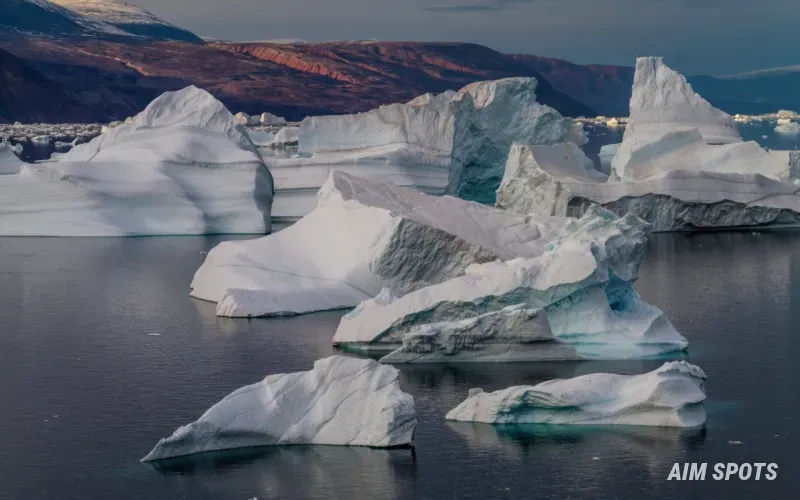
The Viking Era and the Mystery of the Lost Norse
Back in the 10th century, a man named Erik the Red was banished from Iceland for manslaughter. Seeking a fresh start, he sailed west and found a land he cleverly named "Greenland" to entice other settlers.
For hundreds of years, the Norse lived in fjords across the south, but by the 15th century, they vanished. Historians believe a combination of a cooling climate and conflicts with the arriving Inuit people led to their mysterious departure.
The Return of the Danes
In 1721, a missionary named Hans Egede arrived to see if any Norse Catholics were still around. Instead, he found the Inuit people, leading to a new era of Danish-Norwegian colonization that changed the island forever.
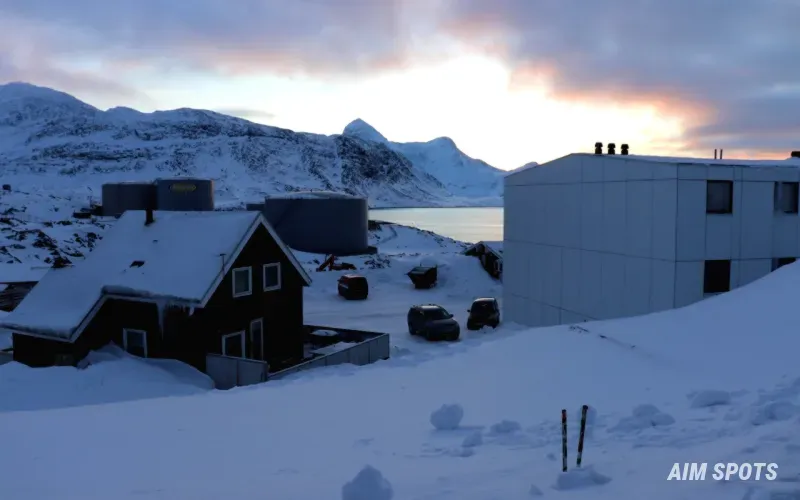
The Road to Independence
For a long time, Greenland was a colony, but things started changing after World War II. In 1953, it officially became part of the Kingdom of Denmark, gaining its own seats in the Danish Parliament.
The momentum for self-rule didn't stop there. Greenland achieved Home Rule in 1979 and moved to Self-Rule in 2009, giving the local government power over almost everything except defense and foreign policy.
- Home Rule (1979): Created the Greenlandic Parliament.
- Self-Rule (2009): Recognized Greenlanders as a separate people under international law.
- The Independence Goal: Most locals want full independence, but the timing remains a major debate.
If you want to learn more about the legal frameworks of such transitions, you can check out the history of Greenland on Wikipedia for a deep dive into the archives.
Why the U.S. Has Its Eyes on the Arctic
It’s no secret that the United States has a long-standing interest in Greenland. During World War II, the U.S. stepped in to protect the island after Germany occupied Denmark.
This strategic interest continued through the Cold War, with the U.S. building bases to track missiles and submarines. More recently, the idea of the U.S. purchasing Greenland made international headlines, though the suggestion was firmly rejected by local leaders.
The Financial Challenge of Freedom
While the dream of independence is strong, the reality is complicated. Greenland has a tiny population of about 56,000 people spread across a massive, harsh environment.
Currently, Denmark provides a yearly grant of roughly $600 million to support the Greenlandic welfare state. For full independence to work, Greenland needs to find a way to replace this funding through fishing, tourism, or mineral wealth.
Frequently Asked Questions
Why did Erik the Red name it Greenland?
He likely chose the name as a marketing tactic to make the icy land sound more appealing to potential settlers in Iceland and Norway.
Is Greenland currently an independent country?
No, it is an autonomous territory within the Kingdom of Denmark. It has its own government but relies on Denmark for defense and financial subsidies.
Can the United States buy Greenland?
No. While the U.S. has expressed interest in the past, Greenlandic and Danish leaders have stated clearly that Greenland is not for sale and that the right to independence belongs solely to the Greenlandic people.
Enjoyed From Vikings to Modern Politics: Greenland’s Epic Journey? Why not explore our other posts, such as Discover Gloucester Docks: The Ultimate Waterfront Weekend Guide, The Rare Jaguar That Fooled Hollywood: The 1956 XK140 SE Ghia, and Breathtaking Historic Sites Where the Past Meets the Present.
Comments (0)