

Introduction: Navigating Delhi Like a Local
Delhi, the bustling capital of India, is a beautiful chaos of ancient history and modern energy. Navigating this vast metropolis can feel intimidating, especially with its legendary traffic jams. Fortunately, the city boasts one of the most efficient public transport systems in the world: the Delhi Metro.
By using the metro, you can bypass the gridlock and travel seamlessly between centuries-old forts, spiritual sanctuaries, and vibrant spice markets. This curated Day 1 itinerary is designed to help you maximize your time, keeping your journey smooth, affordable, and incredibly exciting. Get ready to experience the very best of Delhi in a single, action-packed day.
Whether you are a solo backpacker, traveling with family, or on a quick business trip, this guide will ensure you do not miss a beat. Let's dive into the ultimate transit adventure through India's historic heart.
Essential Tips Before You Board the Delhi Metro
Before you tap your card and pass through the turnstiles, there are a few insider secrets you should know. The Delhi Metro network is massive, spanning over ten lines and more than 250 stations. To make your journey hassle-free, avoid buying single-journey tokens, as the queues at ticket counters can be incredibly long and exhausting.
Instead, opt for a 1-Day Tourist Card for just ₹200, which grants you unlimited rides for the entire day. If you plan to stay longer, the 3-Day Tourist Card at ₹500 is an absolute steal. Remember that the very first coach in the direction of travel is strictly reserved for women, offering a comfortable and spacious option for female travelers.
Make sure to wear your most comfortable walking shoes, pack an umbrella for unpredictable weather, and keep Google Maps handy on your smartphone. We recommend starting your adventure around 9:00 AM to beat the heaviest rush hour and give yourself plenty of time at each stop.
- Buy a Tourist Card: Save time and money with unlimited travel passes.
- Stay Hydrated: Carry a reusable water bottle, as you will be doing plenty of walking.
- Mind the Women's Coach: Respect the dedicated female-only coaches at the front of each train.
Morning Spiritual Awakening: The Majestic Akshardham Temple
Your journey begins at the iconic Rajiv Chowk Metro Station, the beating heart of the city's transit system. From Platform 3, board the Blue Line heading towards Noida and alight at the Akshardham Station. This short 12-minute ride brings you to a monument that perfectly blends ancient heritage with modern craftsmanship.
The Swaminarayan Akshardham Temple is a breathtaking tribute to Indian culture, spirituality, and architecture. Spanning a massive complex, it features a central pink sandstone and white marble mandir, a giant theater, a peaceful boat ride, and a musical fountain. You can easily spend an hour wandering through its beautifully manicured gardens and marveling at the intricate stone carvings.
Please note that photography is strictly prohibited inside the complex, and you must leave your mobile phones and electronic items at the free cloakroom. After exploring, you can grab a delicious vegetarian breakfast or snack at the onsite food court before heading back to the metro.
Step Into History: Discovering Agrasen Ki Baoli
Walk back to Akshardham Station and board the Blue Line from Platform 2 heading towards Dwarka. Alight at the Barakhamba Road Station, exit through Gate 4, and take a short, scenic walk toward Halley Lane. Tucked away amidst the towering modern skyscrapers of central New Delhi lies a hidden gem from the medieval era.
Agrasen ki Baoli is an ancient stepwell made of magnificent rock masonry, consisting of 103 steps leading down into the earth. This five-century-old structure offers a dramatic contrast to the surrounding glass-and-steel corporate offices. It is a quiet oasis that provides an incredible backdrop for your travel photos, making it a favorite spot for photographers and history buffs alike.
Spend about 20 minutes soaking in the unique atmosphere and capturing the symmetrical architecture. Once you are done, take an 8-minute walk to the nearby Janpath Metro Station on the Violet Line to prepare for your journey into the historic heart of the city.
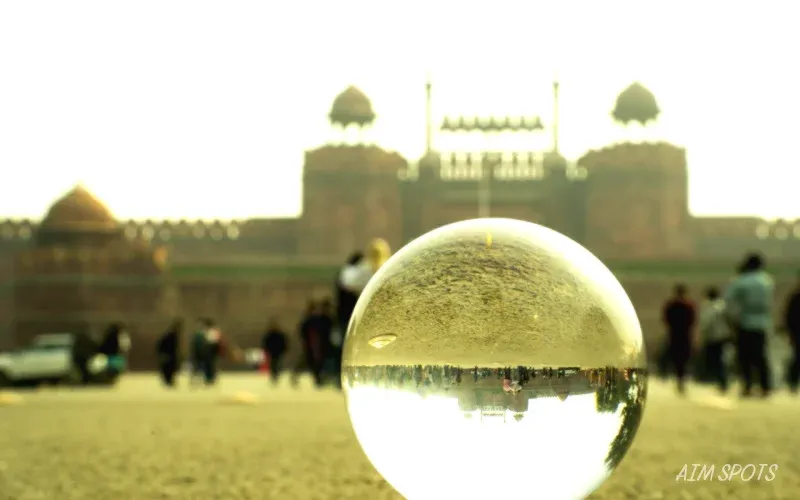
Old Delhi Magic: Jama Masjid, Red Fort, and Chandni Chowk
From Janpath Station, take the Violet Line from Platform 4 toward Kashmere Gate and alight at the Jama Masjid Station. Exit from Gate 1, and you will immediately feel the shift in energy as you enter the vibrant, chaotic world of Old Delhi.
The Grandeur of Jama Masjid
Commissioned by the Mughal Emperor Shah Jahan in the 17th century, Jama Masjid is one of the largest and most impressive mosques in India. Built with striking red sandstone and white marble, its massive courtyard can hold up to 25,000 worshippers at a time. The sheer scale of the minarets and domes is guaranteed to leave you in awe.
Entry to the mosque is free, though you will need to pay a small fee of ₹100 if you wish to climb the southern minaret for a panoramic view of Old Delhi. Be sure to dress modestly, remove your shoes before entering, and respect the prayer timings when tourists are not permitted. After your visit, take some time to sample the legendary Mughlai street food nearby, such as succulent kebabs and rich curries.
The Mighty Red Fort
After leaving Jama Masjid, exit through Gate 3 and take a pleasant 12-minute walk or a quick 8-minute e-rickshaw ride north along Esplanade Road to the majestic Red Fort. This massive fortress is a UNESCO World Heritage site that served as the main residence of the Mughal emperors for nearly two centuries.
The octagonal fort is enclosed by towering red sandstone walls and houses beautiful palaces, ornamental gardens, and fascinating museums. Take your time walking through the Diwan-i-Aam (Hall of Public Audience) and the exquisite Diwan-i-Khas (Hall of Private Audience). Exploring this grand complex takes about 60 to 90 minutes, so keep your water bottle handy as you walk through its historic pathways.
The Sensory Overload of Chandni Chowk
Directly opposite the Red Fort lies Chandni Chowk, one of the oldest and busiest markets in India. This vibrant bazaar is a labyrinth of narrow lanes, each dedicated to specific goods like spices, textiles, jewelry, and wedding attire. As you walk down the main road, you will pass historic places of worship, including the beautiful Gurudwara Sis Ganj Sahib and the Sunehri Mosque.
The sights, sounds, and aromas of Chandni Chowk are an absolute assault on the senses in the best way possible. Do not miss the chance to try the famous Old Delhi street food, especially the famous paranthas (stuffed flatbreads) and spicy chaat. Keep a close eye on your personal belongings, as the market is incredibly crowded, and then make your way to the Chandni Chowk Metro Station on the Yellow Line.
Mid-Afternoon Wonders: Jantar Mantar and Bangla Sahib
Board the Yellow Line from Platform 1 heading towards HUDA City Centre and alight back at Rajiv Chowk. Exit from Gate 6 and walk down Parliament Street to reach Jantar Mantar, an extraordinary open-air astronomical observatory built in the 18th century.
This site features 13 architectural astronomy instruments designed to compile astronomical tables and predict the movements of the sun, moon, and planets. The giant, rust-colored masonry structures look like modern abstract sculptures but are actually highly precise scientific tools. It is a fascinating stop that takes about 30 minutes to explore and appreciate.
From Jantar Mantar, take a short 7-minute walk via Jai Singh Road to the serene Gurudwara Bangla Sahib. This prominent Sikh house of worship is instantly recognizable by its glistening golden domes and large, tranquil pool known as the 'Sarovar'. The atmosphere here is incredibly peaceful, offering a welcome respite from the city's frantic pace.
Take your shoes off, cover your head, and step inside to hear the soothing devotional hymns. Be sure to visit the massive community kitchen (Langar), where volunteers prepare free meals for tens of thousands of visitors every single day regardless of their religion or background.
Sunset Splendor: The Power Corridor and India Gate
From Bangla Sahib, walk to the nearby Shivaji Stadium Metro Station and take the Airport Express Line for one stop to New Delhi Station. From there, switch to the Yellow Line and travel south to the Central Secretariat Station, exiting from Gate 3.
Here, you will find yourself in the heart of India's political power. Walk along the newly renovated Kartavya Path to view the grand facades of the President's House (Rashtrapati Bhavan) and the Parliament House. These monumental colonial-era buildings are architectural masterpieces designed by Edwin Lutyens and Herbert Baker.
In the opposite direction, you can gaze down the grand boulevard to see the iconic India Gate, a solemn war memorial dedicated to fallen soldiers. In the late afternoon and early evening, these buildings are beautifully illuminated, creating a magical atmosphere that is perfect for capturing stunning photographs.
Evening Delights: Shopping and Dining in Connaught Place
To wrap up your incredible first day, head back to Central Secretariat Station and take the Yellow Line back to Rajiv Chowk, exiting through Gate 5 or 7. You will emerge into Connaught Place, affectionately known as CP, the vibrant commercial and financial hub of Delhi.
Connaught Place is characterized by its grand Georgian-style colonnades, organized in concentric circles. It is the perfect place to unwind, offering a limitless selection of trendy cafes, historic bars, high-street retail shops, and local markets. If you are looking for souvenirs or budget-friendly clothing, take a stroll through the underground Palika Bazaar or the bustling stalls of Janpath Market.
For dinner, you are spoiled for choice. You can indulge in classic North Indian cuisine, grab quick bites at iconic pastry shops, or enjoy a craft beer at a lively pub. As you sit back and enjoy your meal, you can reflect on an unforgettable day of exploring one of the world's most historic cities, all made possible by the incredible Delhi Metro.
Frequently Asked Questions
How much does a Delhi Metro Tourist Card cost?
A 1-Day Tourist Card costs ₹200, and a 3-Day Tourist Card costs ₹500. Both cards offer unlimited travel across the entire Delhi Metro network, making them highly cost-effective for sightseeing.
Are mobile phones allowed inside the Akshardham Temple?
No, mobile phones, cameras, and all other electronic items are strictly prohibited inside the Akshardham Temple complex. However, a secure and free cloakroom is available at the entrance where you can safely store your belongings.
Is there a special coach for women on the Delhi Metro?
Yes, the very first coach of every train in the direction of travel is strictly reserved for female passengers. This ensures a comfortable, safe, and less crowded journey for women traveling through the city.
Enjoyed Delhi Sightseeing by Metro: The Ultimate Day 1 Itinerary? Why not explore our other posts, such as Ultimate 5-Day Rome & Florence Family Itinerary, Secrets of Tuscany: The Ultimate Guide to Exploring Italy’s Heartland, and 3 Days in Malacca: The Ultimate 2026 Melaka Itinerary & Food Guide.
Comments (0)