

The Ultimate Guide to Planning Your Galapagos Adventure
Dreaming of walking alongside prehistoric-looking marine iguanas or swimming with playful sea lion pups? The Galapagos Islands are a bucket-list destination unlike any other on Earth. Located about 600 miles off the coast of Ecuador, this isolated volcanic archipelago remains one of the world's most pristine marine sanctuaries. But because of its fragile ecosystem and remote location, visiting this paradise requires a lot of preparation.
You cannot simply book a flight, pack a swimsuit, and wing it. From strict government entry requirements to choosing the right style of travel, there are several crucial logistics you must sort out weeks or even months before you step onto the tarmac. If you fail to prepare, you might face heavy fines, missed excursions, or even get turned away at the airport.
In this comprehensive guide, we will walk you through every essential detail you need to arrange. By the time you finish reading, you will know exactly how to navigate the entry fees, pack the right gear, choose your ideal itinerary, and respect the delicate local environment. Let us dive into the ultimate pre-trip checklist for your Galapagos vacation.
1. Understanding the Strict Entry Requirements and Transit Cards
Before you even think about boarding your flight to the islands, you must understand the unique entry process. Because the Ecuadorian government strictly controls tourism to protect the local environment, you cannot just walk through security. Your journey begins at either the Quito or Guayaquil airport on mainland Ecuador, where you must undergo a special inspection.
First, you must visit the Consejo de Gobierno counter at the airport to purchase a Transit Control Card, commonly known as the TCT. This card costs twenty US dollars and must be paid in cash. The TCT helps the government track who enters and exits the islands to prevent illegal immigration and overtourism. Keep this card in a safe place, as you will need to present it again when you depart the islands.
After securing your TCT, your luggage must go through a strict quarantine inspection by the agency known as ABG. Officers will scan and physically inspect your bags to ensure you are not bringing any organic materials, seeds, fruits, or insects that could introduce invasive species to the islands. Once your bags are cleared and sealed with a special plastic zip-tie, you can finally check in with your airline.
Upon landing in the Galapagos, you will face the national park entrance fee. For most international adult tourists, this fee is two hundred US dollars. It is absolutely critical to know that this fee must be paid in cash upon arrival. Credit cards are not accepted at the park entrance booths, and there are no ATMs inside the arrivals terminal, so having the exact cash ready is non-negotiable.
2. Deciding Between a Cruise and Land-Based Island Hopping
One of the biggest decisions you will make is how you want to experience the islands. There are two primary ways to explore the Galapagos: booking a live-aboard cruise or choosing a land-based island-hopping itinerary. Both options offer vastly different experiences, price points, and levels of flexibility, so you must choose the one that aligns with your travel style.
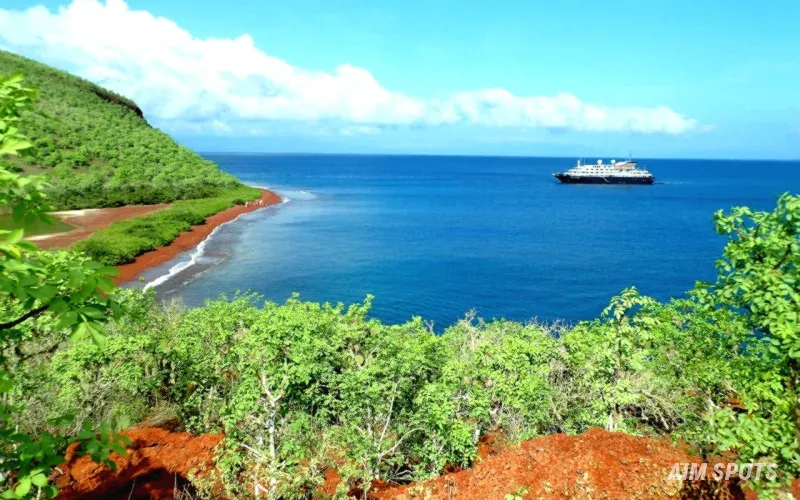
A cruise is the classic way to see the Galapagos. Live-aboard vessels travel between the islands mostly at night, allowing you to wake up in a brand-new, remote location every single morning. This option gives you access to uninhabited outer islands that are completely unreachable by day-trip boats. If your goal is to see rare wildlife species like the red-footed booby or the flightless cormorant, a cruise is highly recommended.
On the other hand, land-based travel has grown incredibly popular in recent years. This option involves staying in hotels on inhabited islands like Santa Cruz, San Cristobal, or Isabela, and taking daily boat excursions to nearby visitor sites. Land-based travel is generally much more affordable, offers more flexibility for dining, and allows you to support local businesses directly. It is also the perfect choice for travelers who suffer from severe motion sickness and prefer sleeping on solid ground.
Whichever option you choose, you must book well in advance. The national park limits the number of vessels and visitors allowed at each site to prevent overcrowding. If you try to book a last-minute cruise or day tour, you may find that the best boats and most iconic visitor sites are completely sold out.
3. Packing Essentials for the Unique Equatorial Climate
Packing for the Galapagos is not like packing for a standard tropical beach vacation. Because you will be spending your days hiking over rough volcanic rock, snorkeling in cool ocean currents, and standing under the intense equatorial sun, your wardrobe needs to be highly functional. Packing the wrong gear can lead to painful sunburns, blisters, and ruined excursions.
First and foremost, you need high-quality sun protection. The sun at the equator is incredibly strong, and you can burn in a matter of minutes. Bring a wide-brimmed sun hat, polarized sunglasses, and plenty of reef-safe sunscreen. Many tour operators and local laws strictly prohibit standard sunscreens because the chemicals can harm the delicate marine life, so look for mineral-based formulas containing zinc oxide or titanium dioxide.
Next, focus on your footwear. You will need at least two types of shoes: sturdy, closed-toe walking shoes or light hiking boots for traversing sharp lava fields, and high-traction water shoes or sports sandals for wet landings. A wet landing is when you must step out of a zodiac boat directly into knee-deep water on a sandy beach. Having shoes that can handle both water and slippery rocks is a game-changer.
Do not forget to pack high-quality swimwear and a rash guard. A long-sleeve rash guard not only protects your skin from the sun while snorkeling but also adds a layer of warmth. Depending on the season, the water in the Galapagos can be surprisingly chilly. While most cruises and tour agencies offer wetsuit rentals, bringing your own lightweight wetsuit or thermal rash guard ensures a perfect, comfortable fit.
4. Navigating Currency, Cash, and Tipping Etiquette
Managing your money in the Galapagos requires a bit of foresight. The official currency of Ecuador is the United States Dollar. While this makes transactions simple for many travelers, the way cash is handled on the islands can be a bit of a shock if you are used to relying entirely on credit cards or digital payments.
Credit cards are accepted at some of the larger hotels and high-end restaurants on Santa Cruz and San Cristobal, but they often come with a hefty surcharge of up to ten percent. For daily expenses, quick meals, souvenirs, and local transport, cash is absolutely essential. Smaller islands like Isabela have virtually no ATMs, and the few ATMs on the main islands frequently run out of cash or experience network outages.
When you withdraw cash on the mainland before flying out, make sure to ask for small, crisp bills. Many local merchants and taxi drivers cannot or will not accept one-hundred-dollar or even fifty-dollar bills. Having a large supply of five, ten, and twenty-dollar bills will make your daily transactions incredibly smooth and stress-free.
Tipping is another important aspect of your budget to plan for. If you are taking a cruise, tipping the crew and your naturalist guide is customary and highly appreciated. Most cruise lines recommend a tip of fifteen to twenty dollars per passenger, per day for the crew, and about ten dollars per day for the guide. Because these tips are usually paid in cash at the end of the voyage, you must factor this into the total amount of physical cash you bring with you.
5. Best Times to Visit: Weather, Wildlife, and Seasons
There is no single "best" time to visit the Galapagos Islands, as the archipelago is a fantastic year-round destination. However, the region experiences two distinct seasons, each offering a completely different climate, ocean condition, and wildlife viewing experience. Understanding these seasons will help you decide when to schedule your trip.
The warm and wet season runs from December to May. During these months, the air temperature is hot and humid, and the ocean is warm and relatively calm. This is the best time of year for snorkeling, as you can comfortably spend hours in the water without a thick wetsuit. It is also the green season, when the islands bloom with vegetation, and you can witness land birds nesting, sea turtles laying eggs, and marine iguanas turning bright colors for the mating season.
The cool and dry season, often called the garua season, runs from June to November. During this period, the Humboldt Current brings cold, nutrient-rich waters up from the south. The air is cooler, and a misty fog often hangs over the highlands. While the water is colder and the seas can be choppy, this is the absolute best time for marine life activity. The nutrient-dense water attracts massive schools of fish, hammerhead sharks, and active sea lions.
If you are prone to seasickness, you might want to avoid the peak of the windy season between August and October, when the ocean waves are at their roughest. Conversely, if you are an avid scuba diver looking to swim alongside whale sharks in the far northern islands, this cool, nutrient-rich window is the prime time to visit.
6. Crucial Health, Safety, and Eco-Rules to Follow
The Galapagos Islands are a highly protected national park, and visitors are expected to follow strict conservation rules to preserve this fragile ecosystem. The local guides are not just there to point out animals; they are certified park rangers who are legally required to enforce these regulations. Violating the rules can result in heavy fines or immediate expulsion from the park.
The most important rule is the two-meter rule. You must maintain a distance of at least six feet (two meters) from all wildlife at all times, even if an animal approaches you. The animals in the Galapagos have no natural fear of humans, which is what makes the destination so magical. However, crowding them causes stress and can disrupt their natural behaviors, especially during nesting seasons.
Additionally, you must stay on the marked trails at all times. The volcanic soil is incredibly fragile, and stepping off the path can destroy hidden nests or cause erosion. You are also strictly prohibited from feeding the animals, taking any natural souvenirs like shells or volcanic rocks, and bringing single-use plastics onto the islands. Many islands have banned single-use plastic water bottles entirely, so be sure to bring a durable, reusable bottle.
From a health perspective, you do not need any specific vaccinations to enter the Galapagos, though being up-to-date on routine vaccines is always smart. If you plan to spend time in the Ecuadorian Amazon before or after your island trip, you may need a yellow fever vaccination. The biggest health hazard on the islands is motion sickness on the boats and dehydration from the intense sun, so pack plenty of motion sickness medication and drink water constantly.
Frequently Asked Questions
Do I need a visa to visit the Galapagos Islands?
Most tourists do not need a specific visa to enter Ecuador or the Galapagos for stays under ninety days. However, you must have a valid passport with at least six months of validity remaining from your date of entry. You will also need to purchase the Transit Control Card (TCT) at the mainland airport before flying to the islands.
Can I explore the Galapagos Islands without a guide?
No, you cannot explore the vast majority of the Galapagos National Park without a certified naturalist guide. Only a few designated public beaches and town areas on the inhabited islands can be visited independently. To visit any official visitor site or uninhabited island, you must be accompanied by a licensed guide.
Is there internet and cell service in the Galapagos?
Internet and cell service in the Galapagos are notoriously slow and unreliable. While you will find Wi-Fi in hotels and cafes on the main inhabited islands of Santa Cruz and San Cristobal, the speeds are generally only sufficient for basic messaging. If you are on a cruise, satellite internet may be available for an extra fee, but it is best to prepare for a digital detox.
Enjoyed Galapagos Travel Guide: Essential Details to Sort Before You Go? Why not explore our other posts, such as Beat Business Travel Burnout: Stop Jet Lag in Its Tracks, Master Your Digital Footprint for Better Travel Deals & Privacy, and How to Choose the Best Galapagos Tours Without Getting Ripped Off.
Comments (0)