

Embrace the Call of the Himalayas
Have you ever dreamed of standing amidst the world's tallest peaks, surrounded by fluttering prayer flags? A trek through the Himalayas is not just a physical challenge; it is a deeply spiritual journey. To truly experience this magical region, you need to hike alongside the legendary guardians of the mountains. Also read: Galapagos Islands Uncovered: Cruise or Island Hop Your Way to Magic. Also read: Epic Things to Do in Andorra: The Ultimate Pyrenees Guide.
Planning the ultimate Sherpa travel trek requires careful preparation, respect for local customs, and an adventurous spirit. Let us dive into how you can make this dream expedition a reality.
Understanding the Sherpa Culture
Contrary to popular belief, "Sherpa" is not just a job title for a mountain guide. The Sherpa people are an elite ethnic group native to the mountainous regions of Nepal, renowned for their incredible climbing skills, resilience, and rich Buddhist heritage.
Partnering with a local Sherpa guide ensures your safety while unlocking deep cultural stories that you would otherwise miss. They will transform your trek from a simple hike into a profound life experience.
Selecting Your Dream Route
The Himalayan region offers several paths, depending on your fitness level and available time. The classic Everest Base Camp trek is legendary, but there are other incredible paths to explore.
- Everest Base Camp (EBC): The most famous route, offering iconic views of the world's highest peak.
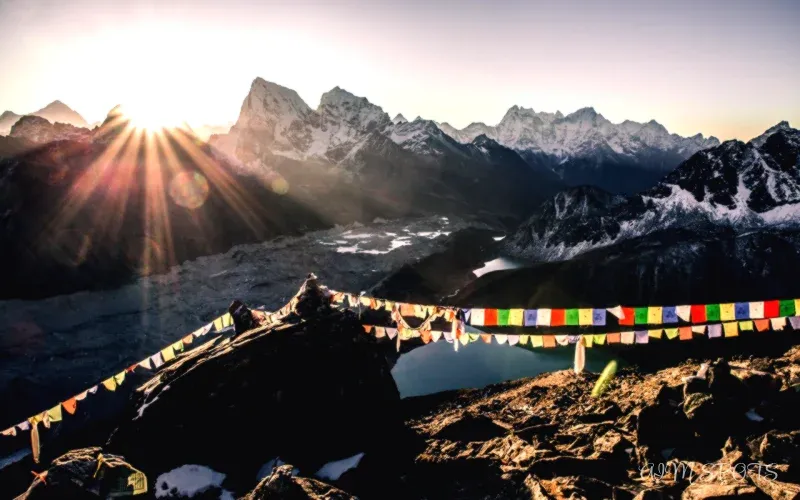
- Gokyo Lakes Trek: A quieter alternative featuring breathtaking, high-altitude turquoise lakes.
- The Three Passes Trek: An ultimate challenge for experienced hikers seeking high-altitude thrill.
Whichever path you choose, staying in local tea houses along the way will give you an authentic taste of mountain hospitality.
Acclimatization and Physical Preparation
You cannot rush the Himalayas. Altitude sickness is a real danger, so building rest days into your itinerary is absolutely non-negotiable.
Focus on cardiovascular training months before your departure date. When you are on the trail, always listen to your guide, drink plenty of water, and maintain a slow, steady pace.
Respecting Sacred Traditions
The trail is dotted with sacred monasteries, chortens, and mani stones carved with ancient mantras. Always pass these spiritual monuments on their left side, spinning prayer wheels in a clockwise direction.
A warm "Namaste" goes a long way in building connections with the locals. Respecting their traditions ensures these beautiful trails remain welcoming for generations to come.
Frequently Asked Questions
What is the best time of year to plan a Sherpa trek?
The best trekking seasons are Spring (March to May) for blooming rhododendrons, and Autumn (September to November) for crystal-clear mountain views.
Do I need a guide, or can I trek alone?
While some trails can be done solo, hiring a registered Sherpa guide is highly recommended. They provide invaluable safety, handle logistics, and offer deep cultural insights.
How do I prevent altitude sickness during the trek?
Ascend slowly, drink at least 4 liters of water daily, eat high-carb meals, and strictly follow the acclimatization days scheduled by your guide.
Enjoyed Ultimate Sherpa Trek Guide: Plan Your Dream Himalayan Adventure? Why not explore our other posts, such as Why Mountain Biking Is the Ultimate Off-Season Workout for Skiers, Ultimate Guide to Killington Resort: Conquer the Beast of the East, and Dartmoor's Best Wild Tor Walks: A Hiker's Ultimate Guide.
Comments (0)