

Conquering the Andes: Why Physical Prep Matters
Machu Picchu is easily one of the most magical places on Earth. However, standing atop the Sun Gate after days of grueling hiking requires more than just a ticket; it demands physical grit.
Whether you choose the legendary Inca Trail or the rugged Salkantay route, your body will face steep stone stairs, high altitudes, and long hours on your feet. Preparing your muscles and lungs beforehand turns what could be a painful struggle into the adventure of a lifetime.
Let's dive into exactly how you can prepare your body to conquer these spectacular Peruvian peaks with confidence.
1. Boost Your Cardiovascular Endurance First
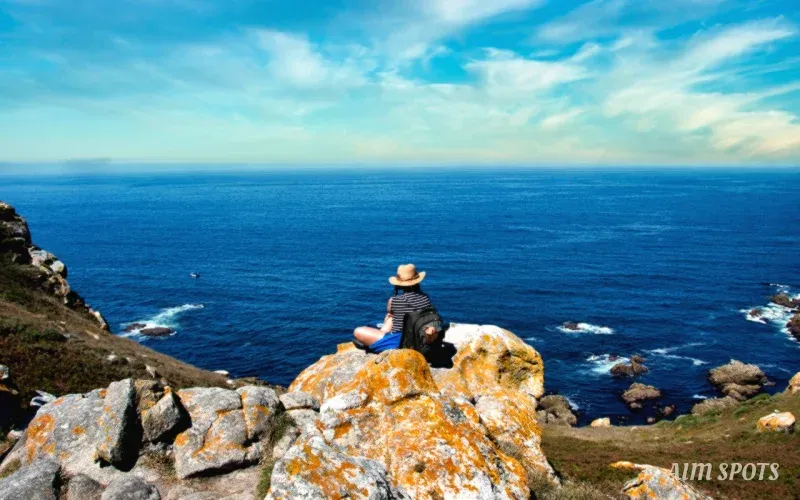
Your cardiovascular fitness is the foundation of your entire trek. You will be walking uphill for hours at a time, often with a daypack on your shoulders.
Start your training at least eight to twelve weeks before your departure. Focus on aerobic exercises like running, cycling, swimming, or using the stair climber at your local gym.
Aim for at least three to four sessions per week. Gradually increase the duration and intensity of your workouts to mimic the sustained effort required on the trail.
2. Build Serious Leg and Core Strength
The trails to Machu Picchu are famous for their endless, uneven stone steps. Descending these steps can actually be harder on your knees and joints than climbing up.
- Squats and Lunges: These exercises build strength in your quadriceps, hamstrings, and glutes.
- Step-ups: Find a bench or box and step up repeatedly while wearing a weighted backpack.
- Planks: A strong core keeps you balanced on unstable rocky terrain.
By focusing on lower body strength, you will protect your joints from injury and keep fatigue at bay.
3. Acclimatize and Prepare for the Altitude
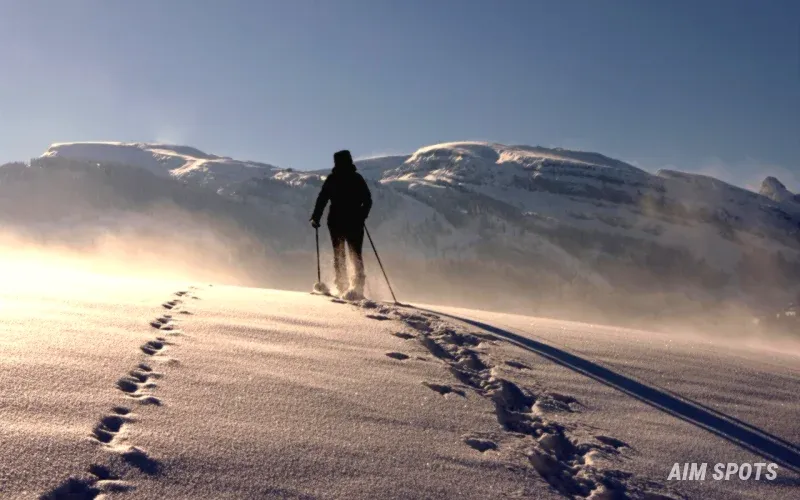
The highest point on the classic trail reaches nearly 13,800 feet (4,200 meters) above sea level. At this elevation, the air is thin, and every step feels twice as hard.
While you cannot easily train for altitude at sea level, you can prepare your lungs by doing high-intensity interval training (HIIT). Additionally, refer to the CDC's altitude safety guidelines to understand how to prevent altitude sickness.
Plan to spend at least two to three days resting in Cusco before starting your trek to let your body adjust naturally.
4. Break in Your Gear on Practice Hikes
Never start a multi-day trek with brand-new hiking boots. Blisters can easily ruin your entire experience on the first day.
Wear your boots on weekend practice hikes, preferably on hilly terrain with a loaded backpack. This not only conditions your body but also helps you adjust to the weight you will be carrying daily.
Frequently Asked Questions
How far in advance should I start training for Machu Picchu?
You should begin a dedicated training program at least 8 to 12 weeks before your trek starts. This gives your cardiovascular system and muscles enough time to adapt and build strength.
What is the hardest part of the physical trek?
Most hikers agree that the second day of the classic Inca Trail, which climbs up to Dead Woman's Pass, is the most physically demanding due to the steep incline and high altitude.
Can I hike to Machu Picchu if I am not an experienced athlete?
Yes, absolutely! People of all ages and fitness levels complete the trek every year. The key is to prepare adequately beforehand, pace yourself on the trail, and stay hydrated.
Enjoyed Get Fit for Machu Picchu: Your Ultimate Trek Training Guide? Why not explore our other posts, such as My First Time Surfing in Morocco: A Beginner’s Guide to the Stoke, Ultimate Guide to Planning a Denali Backcountry Lodge Trip, and How an iPhone Saved a Solo Pilot After a Nevada Mountain Plane Crash.
Comments (0)