

Just when you thought spring was here to stay, Mother Nature has other plans. A massive late-season winter storm is currently gearing up to slam several western states, bringing heavy snow and howling winds with it.
According to the National Weather Service (NWS), winter storm warnings and weather advisories are in full effect. Travelers and outdoor enthusiasts should brace themselves for some seriously hazardous conditions.
Which States Are in the Line of Fire?
This powerful weather system is spreading its icy grip across a massive chunk of the American West. The main areas facing heavy accumulations include Wyoming, Utah, Montana, Washington, and Oregon.
Whether you are planning a weekend mountain getaway or just heading out for your daily commute, this storm is bound to disrupt your plans. Expect rapidly changing conditions as you move from sunny valleys to high-elevation passes.
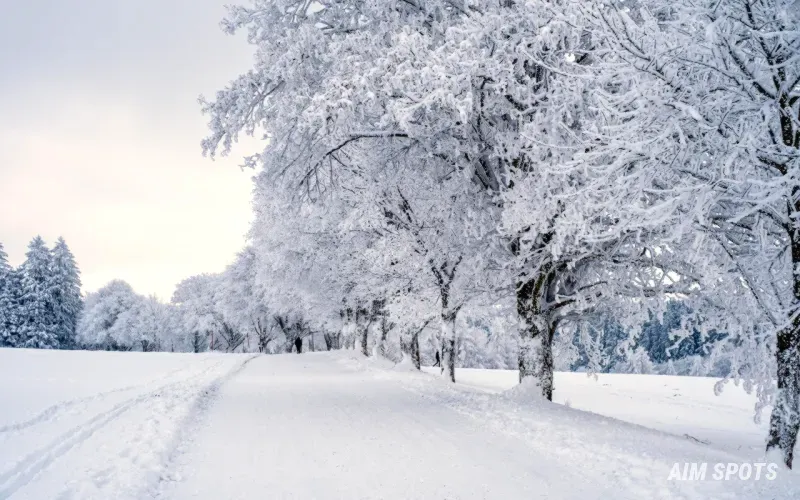
Wyoming Braces for the Worst of the Storm
If you are in Wyoming, you might want to stay indoors if possible. The state is expected to bear the brunt of this late-season onslaught, particularly in central and northern regions.
- Wind River Mountains East: Bracing for a whopping 8 to 16 inches of snow, paired with terrifying wind gusts up to 50 mph.
- Green Mountains and Rattlesnake Range: Expecting 6 to 14 inches of fresh powder.
- Natrona County (including Casper): Anticipating 3 to 5 inches, with local areas seeing up to 7 inches.
With wind gusts reaching up to 50 mph, blowing snow will create dangerous whiteout conditions. Driving in these areas will feel like navigating inside a giant snow globe, so extreme caution is advised.
Snow Forecasts Across Other Western States
Wyoming isn't the only state getting a winter makeover. Significant snowfall is also headed to neighboring regions.
In Utah, the Western Uinta Mountains could see anywhere from 6 to 14 inches of heavy snow. Meanwhile, Montana's Rocky Mountain Front is preparing for up to 12 inches of accumulation in higher terrains.
Further west, the Cascades in Washington and Oregon are expecting a lighter dusting, with 1 to 6 inches forecast above 4,000 feet. However, don't let those lower numbers fool you; mountain roads will still be incredibly slick.
Hazardous Travel: Passes and Highways to Avoid
Planning a road trip through the mountains? You might want to delay your travel plans if they involve any high-elevation routes.
Slippery roads and near-zero visibility will make driving treacherous, especially across bridges and mountain passes. Key routes expected to experience major disruptions include Interstate 80 in Sweetwater County, Wyoming, and Highway 14 through the Bighorn Mountains.
Over in Montana, high-altitude passes like Homestake, Rogers, and MacDonald Passes are also on high alert. If you absolutely must drive, check out this Ready.gov car safety guide to ensure your vehicle is fully prepared.

How to Stay Safe During This Late-Season Blast
Safety should be your absolute top priority over the next few days. If you must venture out onto the roads, make sure your trunk is stocked with essential winter gear.
Always carry a sturdy snow shovel, a reliable flashlight, warm blankets, and plenty of non-perishable food and water. Additionally, backcountry travelers should be wary of extreme wind chills, which can rapidly increase the risk of hypothermia.
Frequently Asked Questions
Which states are affected by the late-season winter storm warning?
The winter storm warning and advisories cover parts of Wyoming, Utah, Montana, Washington, and Oregon, with Colorado also seeing windy, winter-like conditions.
How much snow is expected to fall in the worst-hit areas?
The highest elevations, particularly the Wind River Mountains in Wyoming and the Uinta Mountains in Utah, could see heavy accumulations ranging from 14 to 16 inches, with some areas potentially reaching up to 24 inches.
What should drivers pack in their cars for safety?
Drivers should carry an emergency kit containing a shovel, flashlight, warm blankets, non-perishable snacks, and drinking water in case they become stranded due to poor visibility or icy roads.
Enjoyed Late-Season Winter Storm Warning: Heavy Snow to Slam Western US? Why not explore our other posts, such as The Ultimate East Coast Road Trip: A Foodie's Guide to the Atlantic, Your Ultimate Guide to Exploring Gunnison, Colorado in an RV, and How to Plan a Massive US Road Trip Without Losing Your Mind.
Comments (0)