

Are you gearing up for the adventure of a lifetime? A cruise through the Galapagos Islands offers some of the most spectacular wildlife encounters on Earth. Also read: Best Carry-On Luggage of 2026: Expert Reviews & Buying Guide. Also read: Why Globe-Trotter is the Ultimate Icon of Luxury Travel Luggage.
To capture these fleeting moments, you need more than just a basic camera. You need a solid strategy to document the fearless creatures that call this archipelago home.
Essential Gear for Galapagos Cruise Photography
When packing for your voyage, choosing the right lens is absolutely critical. While wildlife is famously fearless here, you still want a versatile telephoto lens to capture intimate close-ups without disturbing the animals.
We highly recommend a 100-400mm zoom lens. This range allows you to frame everything from distant marine iguanas to nesting blue-footed boobies.
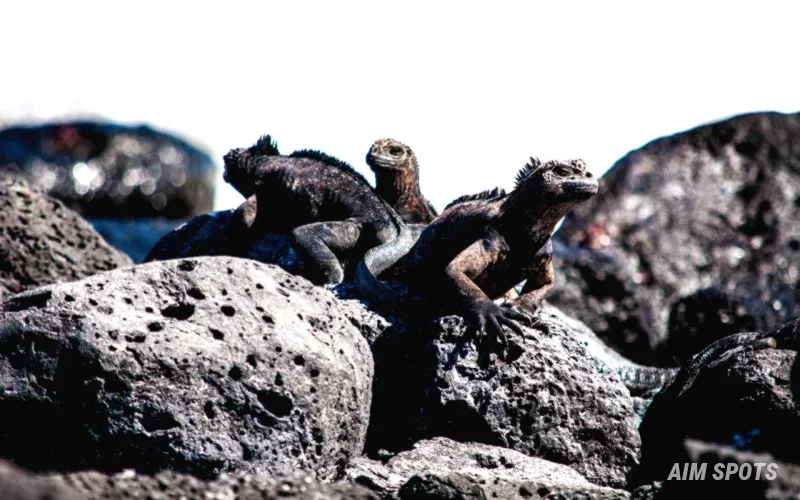
Do not forget a durable, waterproof dry bag. You will be transferring frequently between your cruise ship and small zodiac boats, where ocean spray is guaranteed.
Optimal Camera Settings for Wildlife Action
The key to sharp images in the Galapagos is speed. Many birds, like the fast-moving Galapagos hawk, require quick reflexes and optimized camera settings.
Set your camera to continuous autofocus mode (AI Servo for Canon or AF-C for Nikon). This helps track moving animals seamlessly.
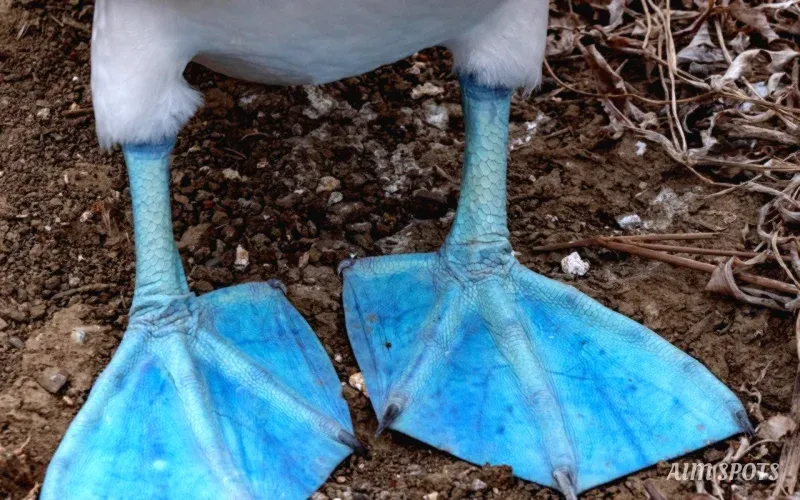
Keep your shutter speed at 1/1000s or faster for birds in flight. For stationary animals, you can lower it to save on ISO and reduce noise.
Shooting From a Panga (Zodiac Boat)
Many of your best photo opportunities will happen during zodiac excursions. Shooting from a moving, unstable boat presents unique challenges.
Always keep your knees slightly bent to absorb the boat's motion. Check out Wikipedia for historical context on these magical islands before you set sail.
Keep your camera strap securely around your neck at all times. One sudden wave could easily send your precious gear into the Pacific Ocean.
Respecting the Archipelago's Ecosystem
Photography is secondary to conservation in this pristine environment. According to official rules, you must maintain a respectful distance from all wildlife.
Never use flash photography as it can startle and permanently damage the eyes of native species. Respecting these boundaries ensures the animals remain comfortable around humans for generations to come.
Frequently Asked Questions
What lens is best for a Galapagos cruise?
A versatile 100-400mm telephoto lens is ideal for capturing distant wildlife, while a 24-70mm lens works perfectly for landscapes and close encounters.
Can I bring a drone to the Galapagos Islands?
No, drones are strictly prohibited for recreational use in the Galapagos National Park to protect the local wildlife from stress and injury.
Is waterproof gear necessary for Galapagos photography?
Yes, waterproof dry bags and protective sleeves are essential to protect your camera equipment from saltwater spray during zodiac transfers.
Enjoyed Galapagos Cruise Photography Guide: Capture Stunning Wildlife? Why not explore our other posts, such as Secret Life of Cruise Crew: What Happens After You Go to Bed?, Why a Galapagos Cruise Belongs on Your Ultimate Bucket List, and Azamara Cruises Unveils Game-Changing 2028 Itineraries.
Comments (0)