

Welcome to Espelette: The Heart of Basque Spice
If you wander through the French Basque Country, you’ll likely stumble upon a village that looks like it’s been painted red and white. This is Espelette, or Ezpeleta in the local tongue, a place where history and flavor collide in the most beautiful way.
Originally named for the boxwood trees that once filled the area, the village is now world-famous for its vibrant Piment d’Espelette. Let's dive into what makes this place so special.
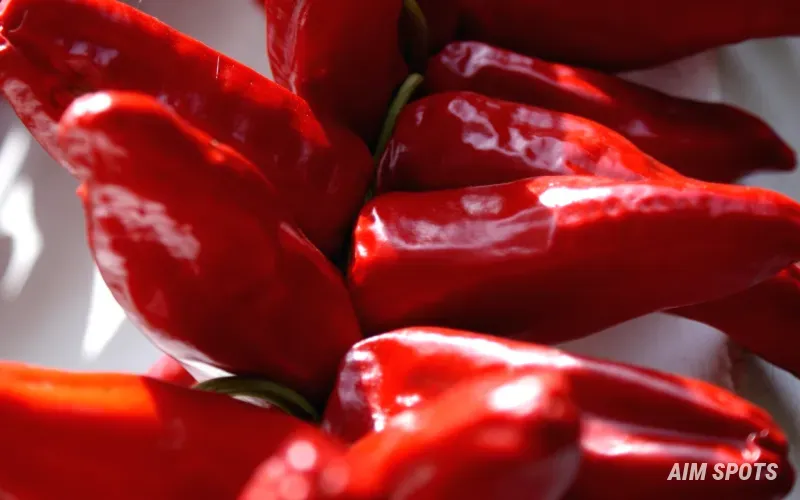
The Legendary Piment d’Espelette
You can’t talk about this village without mentioning its peppers. These spicy gems arrived from Mexico in the 1600s and were originally used as a cheaper alternative to black pepper, which was incredibly expensive at the time.
Today, the tradition remains unchanged. You’ll see thousands of peppers threaded onto ropes and hung against white-washed walls to dry in the sun throughout the late summer and autumn.
- Fresh Peppers: Typically used by professional chefs for intense, immediate flavor.
- Peppers on a String: The iconic way to buy them, featuring anywhere from 20 to 100 peppers.
- Powdered Form: The perfect spice for seasoning local meats, hams, and even chocolate.
The pepper even earned AOP (Protected Designation of Origin) status, ensuring its quality and heritage are protected forever.
Beyond the Spice: History and Culture
While the peppers are the stars, the village itself is steeped in nobility. The Castle of the Barons of Ezpeleta still dominates the center, now serving as the Town Hall and Tourist Office.
Did you know the very first Miss France was from here? Agnès Souret won the title in 1920 at just 18 years old, and you can still see an exhibition dedicated to her inside the castle.
Authentic Basque Crafts and Nature
Just a stone's throw away in Larresore, you can visit the Ainciart Bergara workshop. They have been crafting "Makilas"—traditional Basque walking sticks—for over 200 years.
This craft is so unique that it is recognized by UNESCO as a rare traditional skill. It’s a must-see for anyone interested in living history and artisanal excellence.
If you prefer the great outdoors, head to Mount Mondarrain. At 750 meters high, its rocky summit offers breathtaking views over the entire village and the rolling Basque hills.
Frequently Asked Questions
When is the best time to visit for the Pepper Festival?
The famous Espelette Pimento Pepper Festival usually takes place at the end of October. It’s a massive celebration with music, food, and a special blessing for the year’s harvest.
What are Pottok horses?
Pottoks are a sturdy, small breed of horse native to the Basque mountains. You can see them living in semi-liberty on the hillsides, and there is even a dedicated fair for them every year.
What else is the region famous for besides peppers?
The nearby village of Itxassou is renowned for its black cherries. These are often used to make the delicious jam found inside traditional Basque cakes or served with local sheep’s milk cheese.
Enjoyed Why Espelette is the Spiciest Village in France: A Local Guide? Why not explore our other posts, such as 9 Historic American Diners That Will Take You Back in Time, Paris Dining Guide: Fashion, Sorbets, and Minimalist Ramen, and Ski & Dine: The Best Resorts for Michelin-Starred Food.
Comments (0)