

Can you feel that crisp bite in the morning air? It is the unmistakable sign that autumn is creeping in, bringing with it the most thrilling countdown of the year. We are officially less than 100 days away from the launch of the non-glacier ski season in the Northern Hemisphere.
For powder hounds and casual snowboarders alike, this is the moment to shake off the summer slumber. The anticipation is building as resorts across North America, Europe, and Asia prepare their lifts. It is time to start dreaming of fresh corduroy, cozy alpine lodges, and the perfect carving turns.
Planning a winter getaway requires time, effort, and a bit of insider knowledge. This comprehensive guide will walk you through everything you need to know to make this upcoming season your best one yet. From destination highlights to essential gear prep, we have got you covered.
Why the 100-Day Countdown is the Ultimate Wake-Up Call for Skiers
The double-digit countdown is a major psychological milestone for winter sports enthusiasts. It transforms abstract winter dreams into concrete, actionable plans. If you have not yet touched your gear or booked your passes, this is your official wake-up call to get moving.
During this phase, ski resorts begin testing their snowmaking systems and hiring seasonal staff. The energy is palpable as mountain towns shake off their sleepy summer vibes. You can almost hear the hum of the chairlifts starting up for safety inspections.
Waiting any longer to prepare means risking higher prices and missed opportunities. Accommodation fills up rapidly, and early-bird season pass discounts begin to expire. Taking action now ensures you will be standing at the lift line on opening day without any regrets.
Understanding Non-Glacier vs. Glacier Skiing
You might wonder what makes the non-glacier season so special compared to year-round glacier skiing. Glacier skiing relies on permanent ice fields, which are often limited in terrain and highly vulnerable to summer melting. In contrast, non-glacier skiing relies on fresh seasonal snowfall and advanced snowmaking.
When the non-glacier season begins, it opens up vast networks of terrain that are inaccessible during the warmer months. You get to experience the true variety of the mountains, from steep tree runs to wide-open groomers. It marks the true return of winter culture across entire mountain ranges.
This transition relies heavily on a combination of natural weather patterns and human ingenuity. As temperatures drop consistently below freezing, resorts can blanket their slopes with artificial snow. This creates a solid base that preserves the natural powder that falls later in the season.
Top Northern Hemisphere Destinations Gearing Up for Opening Day
The race to be the first resort to open is a time-honored tradition in the skiing world. Resorts in Colorado, such as Arapahoe Basin and Loveland, often lead the charge in North America. They battle it out every October to see who can spin their lifts first.
According to travel insights on Forbes, early-season skiing has become a major economic driver for mountain communities. These early openings generate massive excitement and set the tone for the entire winter market. It is a showcase of cutting-edge snowmaking technology and sheer determination.
Over in Europe, high-altitude resorts in the French and Swiss Alps are also prepping their slopes. While some glacier areas remain open, the broader opening of non-glacier terrain brings a festive atmosphere to classic valleys. Skiers flock to these historic villages to celebrate the return of the sport they love.
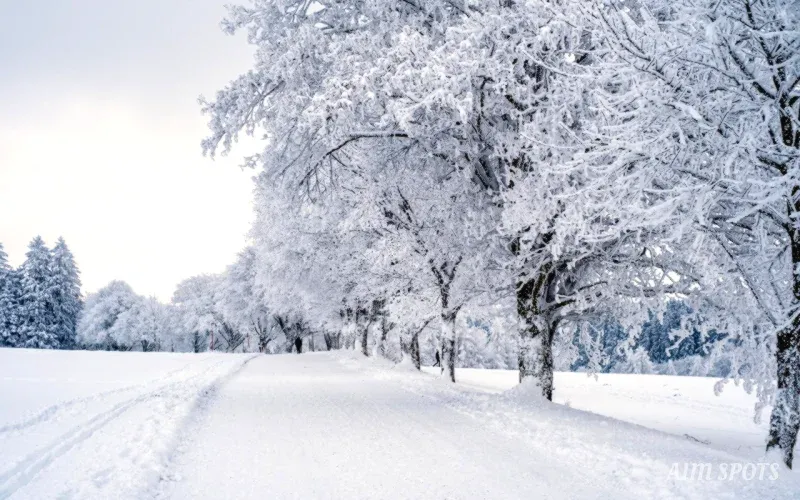
North American Early Birds: Colorado and Alberta
Colorado is legendary for its high-elevation resorts, which give it a natural advantage for early snow. Places like Keystone and Breckenridge invest heavily in automated snowmaking to guarantee early-season openings. If you want to guarantee early turns, this region is your safest bet.
Further north, the Canadian Rockies offer breathtaking scenery and reliable early cold snaps. Banff Sunshine and Lake Louise in Alberta boast some of the longest non-glacier seasons in the world. The dry, light powder here is legendary, often arriving in abundance by mid-November.
Skiing in these regions during the early season requires a bit of flexibility. You might start with only a few open runs, but the joy of being back on the snow makes up for the limited terrain. Plus, the smaller crowds mean you can practice your turns without the mid-season rush.
European Giants: The Alps Prepare for the First Real Snow
The European Alps offer an entirely different flavor of early-season excitement. Resorts like Val Thorens in France and Verbier in Switzerland work tirelessly to prepare their extensive trail networks. The focus here is on creating a seamless connection between high-altitude peaks and valley villages.
As the countdown ticks down, these alpine villages transform into winter wonderlands. The smell of roasted chestnuts and fondue begins to drift through the streets. It is a sensory experience that goes far beyond just the physical act of skiing.
European resorts also emphasize the social aspect of the sport, known as après-ski. Opening weekend events often feature live music, DJ sets, and outdoor festivals. It is the perfect way to celebrate the return of winter with thousands of like-minded snow lovers.
Your Step-by-Step Pre-Season Preparation Checklist
To make the most of the upcoming season, you cannot just show up on opening day and hope for the best. Preparation starts now, in your living room and at your local ski shop. Follow this step-by-step checklist to ensure you are fully prepared when the snow starts falling.
First, inspect your hardware. Pull your skis or snowboard out of storage and check the edges for rust and the base for deep scratches. If you are not comfortable doing it yourself, take them to a professional shop for a full tune-up and fresh wax.
Second, focus on your physical fitness. Skiing and snowboarding require immense core strength, leg endurance, and cardiovascular health. Start incorporating squats, lunges, and lateral agility drills into your weekly workouts to prevent early-season injuries.
- Tune your gear: Get a professional edge sharpen and wax to ensure smooth gliding.
- Check your safety equipment: Inspect your helmet for cracks and ensure your avalanche beacon has fresh batteries.
- Update your winter wardrobe: Wash your waterproof outerwear with specialized tech-wash to restore its water-repellent coating.
- Secure your passes: Buy your season passes or multi-resort cards before the final price hikes.
Common Pre-Season Mistakes to Avoid This Autumn
One of the biggest mistakes skiers make is assuming their gear from last year is perfectly fine. Boots can degrade, bindings can lose their calibration, and helmets can become brittle over time. Skipping a safety check can lead to dangerous equipment failures on the mountain.
Another common pitfall is neglecting physical conditioning until the week before your trip. Skiing uses highly specific muscle groups that are rarely targeted in everyday life. If you do not train beforehand, you will likely suffer from extreme muscle soreness or, worse, a season-ending knee injury.
Finally, do not make the mistake of booking your travel without checking the resort's historical opening dates. While snowmaking has advanced, mother nature still holds the ultimate cards. Always look for flexible booking options or choose resorts with high altitudes and robust snowmaking infrastructure.
Future Trends: What to Expect for the Upcoming Ski Season
The ski industry is evolving rapidly, driven by technological advancements and changing climate patterns. One major trend is the widespread adoption of automated, energy-efficient snowmaking systems. These smart guns can detect tiny changes in humidity and temperature to produce the best quality snow with minimal water usage.
We are also seeing a massive shift toward digital integration on the slopes. From hands-free RFID lift passes to real-time crowd tracking apps, technology is making the mountain experience smoother. You can now check lift line wait times and track your daily vertical feet directly from your smartphone.
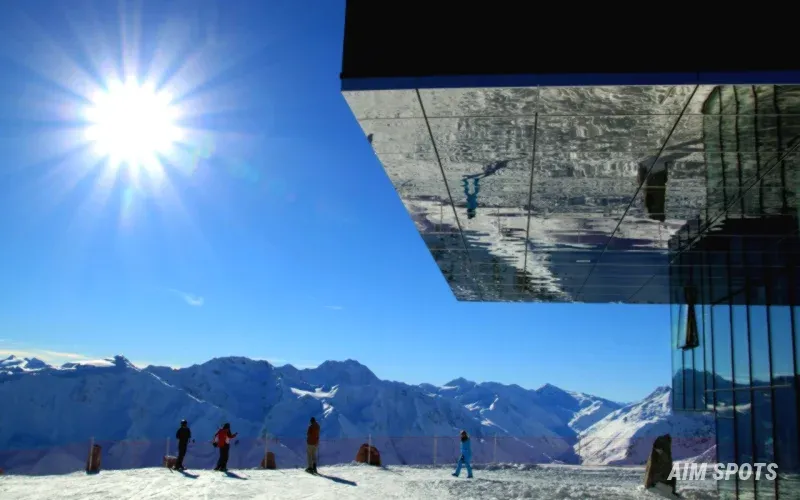
Sustainability is another massive focus for modern resorts. Many operators are transitioning to renewable energy sources to power their lifts and grooming machines. As skiers, supporting these eco-friendly initiatives helps protect the winters we all rely on according to Wikipedia.
Expert Tips for Snagging the Best Early-Bird Deals
Skiing can be an expensive passion, but smart planning can save you thousands of dollars. The golden rule of budget skiing is to book as early as possible. Multi-resort passes like Epic and Ikon offer their lowest rates in the spring and summer, with prices rising steadily as winter approaches.
If you missed those windows, look for regional pass options or mid-week ticket packages. Many resorts offer deep discounts if you commit to skiing on non-peak days. This not only saves you money but also guarantees a much quieter experience on the slopes.
Do not forget to look into package deals that bundle lodging, lift tickets, and equipment rentals together. Often, local tourism boards offer incentives to attract visitors during the early-season shoulder months. Keep an eye on travel forums and newsletter sign-ups for exclusive promo codes.
Frequently Asked Questions
When does the non-glacier ski season typically start?
The non-glacier ski season in the Northern Hemisphere typically begins in late October to mid-November, depending on elevation, local temperatures, and snowmaking capabilities.
Is early-season skiing worth it?
Yes, early-season skiing is highly worth it for enthusiastic skiers who want to get back on the snow, practice their technique, and enjoy smaller crowds before the holiday rush.
How should I prepare my body for the first day of skiing?
Focus on leg strength, core stability, and cardiovascular endurance. Exercises like squats, lunges, planks, and cycling are excellent for preparing your muscles for the unique demands of skiing.
Enjoyed The Ultimate 100-Day Countdown to the Northern Hemisphere Ski Season? Why not explore our other posts, such as Why Mountain Biking Is the Ultimate Off-Season Workout for Skiers, The Magic of Old School Snowboarding: Reliving the Golden Era, and Dartmoor's Best Wild Tor Walks: A Hiker's Ultimate Guide.
Comments (0)